When it comes to purchasing wine, many consumers find themselves pondering the cost of wines and why certain bottles from wineries carry a heftier price tag than those available at local supermarkets. This discrepancy often leads to questions about the true value of wine and what factors contribute to its pricing. Understanding these intricacies is essential for anyone looking to make informed choices about their wine selections.The world of wine is not just about taste; it encompasses a complex interplay of factors that influence pricing. From the quality of the grapes used to the meticulous processes involved in winemaking, each element plays a crucial role in determining the final cost.
Wineries often produce limited quantities of their finest wines, which can create a sense of exclusivity and drive up demand. This is in stark contrast to mass-produced wines found in supermarkets, which are typically made for broader distribution and lower price points.Moreover, the wine value extends beyond mere production costs. It includes aspects such as terroir, aging processes, and even the reputation of the winery itself. For instance, wines from renowned regions or prestigious wineries often command higher prices due to their perceived quality and heritage.
As consumers, recognizing these factors can enhance our appreciation for wine and help us understand why investing in a bottle from a winery can be a rewarding experience.In this exploration of wine pricing, we will delve deeper into the various elements that contribute to the cost of wines from wineries. By examining these factors closely, we aim to equip you with the knowledge needed to navigate the world of wine with confidence and discernment.
What Makes Winery Wines Unique?
When it comes to wine, the uniqueness of winery wines is a significant factor that sets them apart from their mass-produced counterparts. This uniqueness stems from several key characteristics, including exclusivity, small batch production, and the distinct qualities imparted by the terroir.Exclusivity
is one of the most appealing aspects of winery wines. Many wineries produce limited quantities of their offerings, often resulting in wines that are not available in retail stores.
This scarcity creates a sense of desirability among wine enthusiasts and collectors. When you purchase a bottle directly from a winery, you are not just buying a drink; you are acquiring a piece of art that reflects the winemaker's vision and dedication.Small batch production is another hallmark of winery wines. Unlike large-scale producers who prioritize quantity over quality, many wineries focus on crafting exceptional wines in smaller volumes. This approach allows winemakers to pay meticulous attention to detail throughout the entire process—from grape selection to fermentation and aging.
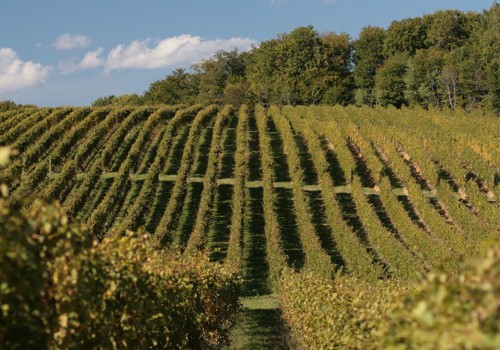
As a result, each bottle can showcase the unique characteristics of the grapes and the specific vineyard site.The terroir , or the environmental factors that influence grape growing, plays a crucial role in defining the flavor profile of winery wines. Factors such as soil composition, climate, and topography contribute to the distinct taste of each wine. Wineries located in renowned regions often invest heavily in understanding and enhancing their terroir to produce wines that truly reflect their origins.Moreover, many wineries employ traditional winemaking techniques that have been passed down through generations. These methods often include hand-harvesting grapes, using natural fermentation processes, and aging wines in high-quality oak barrels.
Such practices not only enhance the flavor but also add layers of complexity that are often absent in mass-produced wines.In conclusion, the uniqueness of winery wines lies in their exclusivity, small batch production, and the intricate relationship between terroir and traditional winemaking techniques. For those who appreciate fine wine, investing in these exceptional bottles offers not just a drink but an experience steeped in craftsmanship and passion.
The Role of Terroir in Wine Pricing
Understanding terroir is essential for grasping why wines from certain regions command higher prices. Terroir encompasses the unique environmental factors that influence the growth of grapevines, including soil composition, climate, topography, and even local traditions in viticulture. This intricate relationship between the land and the wine produced is what gives each bottle its distinct character and flavor profile.In prestigious wine regions such as Bordeaux , Burgundy , and Napa Valley , the concept of terroir is taken to heart.These areas have invested heavily in their land, ensuring that the conditions are optimal for producing high-quality grapes. For instance, the limestone and clay soils of Burgundy are renowned for their ability to produce exceptional Pinot Noir and Chardonnay. The specific microclimates within these regions allow for variations in temperature and sunlight, which can significantly affect the ripening process of grapes.Moreover, wineries in these regions often practice sustainable farming techniques that enhance the natural qualities of their terroir. This commitment to quality not only elevates the taste of the wine but also increases production costs.
The meticulous care taken in vineyard management—such as hand-harvesting grapes and limiting yields—contributes to a higher price point for wines produced in these areas.Additionally, the reputation of a region can create a sense of exclusivity around its wines. Limited production runs from renowned wineries lead to high demand, allowing them to set premium prices. Consumers are often willing to pay more for wines that come from celebrated terroirs because they associate these wines with superior quality and craftsmanship.In summary, terroir plays a pivotal role in determining both the taste and price of wine. The investment in land and resources by wineries in prestigious regions not only enhances the quality of their products but also justifies the higher price tags associated with them.
Understanding this concept can help consumers appreciate the nuances of wine pricing and make informed choices when selecting bottles for their collections.
Production Costs: What Goes Into a Bottle?
Understanding the production costs associated with winemaking is essential for grasping why wines from the winery often carry a higher price tag. Several factors contribute to these costs, each playing a crucial role in the overall quality and uniqueness of the wine.Labor Costs
The labor involved in winemaking is one of the most significant expenses. From vineyard management to the actual winemaking process, skilled labor is essential. Workers must carefully tend to the vines, monitor grape health, and harvest at the optimal time.
This labor-intensive process requires not only physical effort but also expertise, which can drive up costs.
Materials and Equipment
The materials used in winemaking also contribute to production costs. This includes:
- Grapes: The quality of grapes directly affects the wine's flavor and character. Premium grapes from well-maintained vineyards are more expensive.
- Fermentation Equipment: Stainless steel tanks, oak barrels, and other fermentation vessels can be costly. The choice of materials impacts both the wine's taste and the overall production budget.
- Bottles and Packaging: High-quality bottles and labels enhance the presentation of the wine but also add to the overall cost.
Aging Processes
Aging is another critical factor that influences production costs.
Wines that are aged in oak barrels for extended periods require significant investment in both barrels and storage space. New barrels can be particularly expensive, as they impart unique flavors to the wine. Additionally, wineries must account for the cost of maintaining optimal storage conditions, including temperature control and humidity management.
Storage Costs
The cost of storing wine before it reaches consumers is often overlooked. Wineries need adequate facilities to store their products safely, which can involve substantial overhead costs.
This includes climate-controlled environments to ensure that wines age properly without spoilage.In summary, the various components of wine production costs, from labor and materials to aging and storage, all contribute to why wines from the winery are priced higher than mass-produced alternatives. Understanding these factors not only enhances appreciation for fine wines but also highlights the craftsmanship involved in their creation.
Supply and Demand: The Economics of Wine Pricing
The relationship between supply and demand is a fundamental principle that governs the pricing of wines, particularly those sourced directly from the winery. Understanding this dynamic can provide valuable insights into why certain wines command higher prices than others.At its core, the economics of wine pricing is influenced by several key factors:- Production Limitations: Many wineries produce wines in limited quantities. This scarcity can create a sense of exclusivity, driving up demand among consumers who are eager to acquire unique offerings.
When a winery releases a small batch of a highly sought-after vintage, the limited availability often leads to increased prices.
- Market Trends: The wine market is subject to trends that can shift consumer preferences rapidly. For instance, if a particular varietal or region gains popularity, wineries producing those wines may find themselves in a position to raise prices due to heightened demand. Conversely, if consumer interest wanes, prices may need to be adjusted downward to stimulate sales.
- Brand Reputation: Wineries with established reputations for quality often leverage their brand status to command higher prices. Consumers are generally willing to pay a premium for wines from renowned producers, as they associate these brands with superior quality and craftsmanship.
- Distribution Channels: Wines sold directly from the winery often bypass traditional retail channels, allowing wineries to maintain higher profit margins.
This direct-to-consumer model not only enhances the winery's revenue but also allows them to set prices that reflect the quality and uniqueness of their products.
By recognizing how scarcity and market trends influence wine pricing, consumers can make more informed choices when selecting wines from the winery.
Comparing Winery Wines to Supermarket Selections
When it comes to choosing between wines from wineries and those available in supermarkets, many consumers often find themselves at a crossroads. The perception that supermarket wines are more affordable can be misleading, especially when considering the quality and unique characteristics of wines sourced directly from wineries.Quality Comparison
- Production Scale: Wines produced at wineries typically come from smaller batches, allowing winemakers to focus on quality over quantity. In contrast, supermarket wines are often mass-produced, which can lead to a compromise in flavor and complexity.
- Terroir Influence: The concept of terroir plays a significant role in the taste of wine. Wineries located in renowned regions invest heavily in their land and cultivation practices, resulting in wines that reflect the unique characteristics of their environment.
Supermarket selections may lack this distinctiveness.
- Craftsmanship: Many wineries pride themselves on traditional winemaking techniques, which can include hand-harvesting grapes and aging in high-quality barrels. This artisanal approach often results in superior flavor profiles compared to the more industrial methods used for supermarket wines.
Price Considerations
- Value for Money: While it may seem that wines from wineries carry a higher price tag, they often provide better value due to their quality. Consumers are paying for the craftsmanship, unique flavors, and the story behind each bottle.
- Affordable Options: It’s important to note that many wineries offer affordable selections that rival supermarket prices. These wines may be labeled as second labels or entry-level offerings but still maintain a high standard of quality.
- Direct Purchase Benefits: Buying directly from a wine producer can eliminate middlemen costs, allowing consumers to access premium wines at competitive prices.
Many wineries also offer discounts for wine club members or during special events.
Finding Affordable Options at Wineries
For wine enthusiasts looking to explore the offerings of wineries without breaking the bank, there are several strategies to uncover more affordable options. While premium wines often come with a hefty price tag, savvy consumers can find high-quality selections at more accessible prices through various avenues.Exploring Secondary Labels
One of the most effective ways to access quality wines at lower prices is by considering secondary labels. Many prestigious wineries produce a range of wines, and when they have an oversupply or wish to offer a more budget-friendly option, they may release wines under a different label.These secondary labels often feature the same grapes and winemaking techniques as their flagship offerings but are priced more competitively.
- Quality Assurance: Despite being less expensive, these wines typically maintain a high standard of quality, allowing consumers to enjoy exceptional flavors without the premium cost.
- Limited Availability: Secondary labels may be produced in smaller quantities, making them unique finds that can enhance your wine collection.
Joining Wine Clubs
Another excellent way to discover affordable wines is by joining a wine club. Many wineries offer membership programs that provide exclusive access to their wines at discounted prices. Here are some benefits of joining a wine club:- Exclusive Selections: Members often receive limited-edition wines that are not available to the general public, providing an opportunity to taste unique varietals.
- Discounted Pricing: Wine clubs frequently offer significant discounts on purchases, making it easier to stock up on your favorite bottles.
- Regular Deliveries: Enjoy the convenience of having curated selections delivered directly to your door, ensuring you always have quality wine on hand.
The Experience of Visiting a Winery
Visiting a winery offers a unique opportunity that extends far beyond simply purchasing a bottle of wine.It is an immersive experience that allows wine enthusiasts and casual drinkers alike to deepen their understanding and appreciation of this age-old craft. Here are some of the key benefits of visiting a winery:
- Educational Opportunities: Many wineries provide guided tours that delve into the intricacies of winemaking. Visitors can learn about the entire process, from grape cultivation to fermentation and aging. Knowledgeable staff often share insights about the specific varietals grown on-site, the significance of terroir, and the impact of climate on flavor profiles.
- Wine Tasting Experiences: One of the highlights of any winery visit is the chance to participate in wine tastings.
These tastings allow guests to sample a variety of wines, often paired with local cheeses or charcuterie. This not only enhances the tasting experience but also helps visitors understand how different flavors complement each other.
- Connection with Winemakers: Meeting the winemakers or vineyard owners can be a profound experience. They often share personal stories about their passion for winemaking, their challenges, and their triumphs. This connection adds a personal touch to the wines you enjoy, making each sip more meaningful.
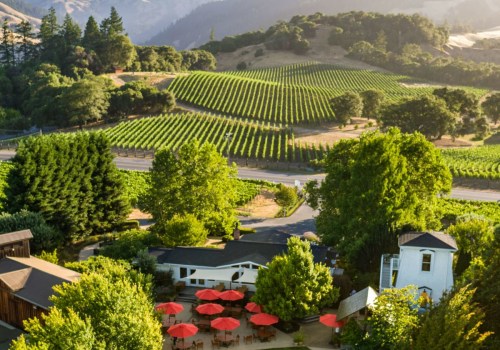
- Scenic Beauty: Wineries are often located in picturesque settings, surrounded by rolling hills, vineyards, and breathtaking landscapes.
This natural beauty enhances the overall experience, providing a serene backdrop for relaxation and enjoyment.
- Culinary Pairings: Many wineries offer food pairings that complement their wines. These culinary experiences can range from gourmet meals prepared by renowned chefs to simple picnics featuring local produce. Learning how to pair food with wine can elevate your dining experiences at home.
Furthermore, many wineries host events such as harvest festivals, live music nights, and educational workshops that encourage ongoing learning and enjoyment.Ultimately, a visit to a winery is not just about acquiring wine; it’s about immersing yourself in the culture and artistry behind it. By taking the time to explore these vineyards, you gain a deeper appreciation for the craftsmanship involved in winemaking and create memories that will last long after the last glass is poured.
FAQs About Winery Wines and Pricing
When it comes to purchasing wine directly from a winery, many consumers have questions about pricing, quality, and the overall experience. Here are some frequently asked questions that can help clarify these common inquiries.Why are wines from wineries more expensive than those in stores?
The primary reason for the higher prices of wines from wineries is the limited production. Many wineries focus on crafting small batches of high-quality wines, which naturally leads to a higher price point due to the exclusivity and craftsmanship involved.Additionally, factors such as terroir, production costs, and aging processes contribute to the overall pricing.
What is terroir and how does it affect wine pricing?
Terroir refers to the unique environmental conditions in which grapes are grown, including soil composition, climate, and topography. Wineries located in prestigious regions often invest significantly in their land to ensure optimal grape quality. This investment is reflected in the price of their wines.Are there affordable options at wineries?
Yes! Many wineries offer a range of wines at different price points. Some may even sell their surplus production under a secondary label, allowing consumers to enjoy high-quality wines at more accessible prices.It’s worth exploring these options during your visit.
How can I ensure I’m getting good value for my money?
- Taste before you buy: Many wineries offer tastings, allowing you to sample various wines before making a purchase.
- Ask questions: Don’t hesitate to inquire about the winemaking process, grape sourcing, and any unique characteristics of the wines.
- Join a wine club: Many wineries have membership programs that provide exclusive access to limited releases and discounts on purchases.
Is it worth visiting a winery for wine purchases?
Absolutely! Visiting a winery not only allows you to taste exceptional wines but also provides an opportunity to learn about the winemaking process directly from the source. Engaging with knowledgeable staff can enhance your understanding and appreciation of wine, making your purchase more meaningful.In summary, while wines from wineries may come with a higher price tag compared to those found in supermarkets, the quality, exclusivity, and overall experience often justify the cost. By understanding these factors and asking the right questions, consumers can make informed decisions when purchasing winery wines.Conclusion: The Value of Investing in Winery Wines
In conclusion, the discussion surrounding the cost of wines from wineries reveals a complex interplay of factors that contribute to their pricing. While it is evident that wines sourced directly from wineries often come with a higher price tag compared to mass-produced options found in supermarkets, this premium is justified by several unique qualities and experiences that these wines offer.Firstly, the concept of terroir plays a significant role in defining the character and quality of winery wines.Each winery is influenced by its specific location, climate, and soil composition, which collectively contribute to the distinct flavors and aromas found in their wines. This individuality cannot be replicated in mass production, making winery wines a true reflection of their origin.Moreover, the production methods employed by wineries often prioritize quality over quantity. Many wineries engage in meticulous practices, such as hand-harvesting grapes and using traditional fermentation techniques, which enhance the overall quality of the wine. These labor-intensive methods naturally lead to higher production costs, which are then reflected in the retail price.Additionally, purchasing wine directly from a winery not only supports local businesses but also fosters a deeper connection between consumers and producers.
Visitors to wineries often have the opportunity to engage with winemakers, learn about their craft, and gain insights into the winemaking process. This experiential aspect adds significant value to the purchase, transforming it from a mere transaction into a memorable experience.Furthermore, many wineries offer exclusive releases or limited-edition wines that are not available elsewhere. These unique offerings can provide wine enthusiasts with an opportunity to explore rare varietals or blends that showcase the winery's expertise and creativity.In summary, while it may seem that wines from wineries are more expensive at first glance, they represent an investment in quality, craftsmanship, and unique experiences. For those who appreciate fine wine and are willing to explore beyond conventional options, winery wines offer unparalleled value that transcends mere monetary cost.