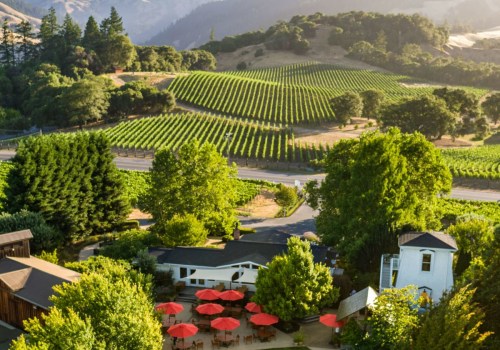
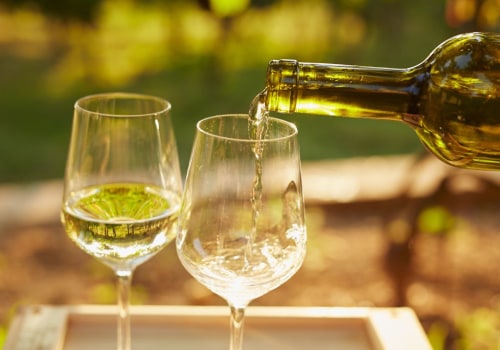
The world of wineries is a captivating realm that intertwines agriculture, artistry, and science. At its core, a winery is defined as a facility where grapes are transformed into wine. This transformation involves a series of intricate processes, including fermentation, aging, and bottling, all of which contribute to the unique characteristics of each wine produced. Wineries serve as the heart of the winemaking industry, playing a crucial role in not only producing wine but also in shaping the culture and experience surrounding it.Understanding what constitutes a winery goes beyond just its physical structure; it encompasses the entire ecosystem that supports winemaking.
Wineries can vary significantly in size and function. Some are expansive operations with vast vineyards and state-of-the-art facilities, while others may be small boutique establishments focusing on artisanal production methods. Each type of winery brings its own flavor to the wine landscape, offering diverse experiences for enthusiasts and casual drinkers alike.There are several types of wineries, each with distinct characteristics and operational models. For instance, estate wineries grow their own grapes and produce wine exclusively from those grapes, ensuring a direct connection between the vineyard and the bottle.
In contrast, contract wineries may source grapes from various vineyards, allowing them to create a broader range of wines without being tied to a single location. Additionally, some wineries focus on specific varietals or styles, while others embrace a more eclectic approach, producing a wide array of wines to cater to different palates.This diversity within the winery landscape not only enriches the winemaking process but also enhances the tasting experience for visitors. As we delve deeper into the intriguing world of wineries throughout this article, we will explore their significance in the winemaking journey and uncover the unique stories behind each establishment.
The Winemaking Process: From Vineyard to Bottle
The journey of wine from the vineyard to the bottle is a meticulous process that involves several critical steps, each contributing to the final product's quality and character. Understanding this winemaking process not only enhances appreciation for wine but also highlights the artistry involved in its creation.1.Grape Harvesting
The first step in the winemaking process is grape harvesting, which typically occurs in late summer to early fall, depending on the grape variety and climate.
Timing is crucial; grapes must be picked at their peak ripeness to ensure optimal sugar levels and flavor profiles. Harvesting can be done by hand or machine, with each method having its advantages. Hand harvesting allows for selective picking, ensuring only the best grapes are chosen, while machine harvesting is faster and more efficient for larger vineyards.
2.Crushing and Pressing
Once harvested, grapes are transported to the winery where they undergo crushing and pressing. Crushing breaks the skins of the grapes, releasing their juice.
For white wines, the juice is separated from the skins immediately, while for red wines, the skins are left in contact with the juice during fermentation to extract color and tannins.
3.Fermentation
The next phase is fermentation, where yeast converts the sugars in the grape juice into alcohol and carbon dioxide. This process can take anywhere from a few days to several weeks. Winemakers closely monitor temperature and other conditions during fermentation to influence flavor development. Some may choose to use wild yeasts for a more complex flavor profile, while others prefer cultivated strains for consistency.
4.Aging
After fermentation, wine is often aged in barrels or tanks to develop its flavors further.
Aging can last from a few months to several years, depending on the type of wine being produced. Oak barrels impart unique flavors and aromas, while stainless steel tanks preserve the wine's fresh fruit characteristics. The aging process also allows for natural clarification as sediments settle.
5.Bottling
The final step in the winemaking process is bottling. Before bottling, wines may be filtered and blended to achieve desired taste profiles.
Once bottled, wines are often labeled and stored in a controlled environment until they are ready for distribution or sale.Each step in this intricate process plays a vital role in shaping the wine's final character, making it essential for both winemakers and enthusiasts to understand how wine is made. From grape to glass, every decision impacts flavor, aroma, and overall quality.
Types of Wineries: Exploring Different Approaches
Wineries can be categorized into several types based on their size, production methods, and overall approach to winemaking. Understanding these distinctions not only enhances your appreciation of wine but also helps you choose the right winery to visit or support. Here, we explore the various types of wineries, focusing on boutique wineries, large commercial operations, and contract facilities.Boutique Wineries
Boutique wineries are typically small-scale operations that emphasize quality over quantity.These wineries often produce limited quantities of wine, allowing for a more hands-on approach to winemaking. The owners and winemakers are usually deeply involved in every aspect of the process, from grape selection to bottling. This personal touch often results in unique and distinctive wines that reflect the terroir—the environmental factors that affect a crop's phenotype.
- Personalized Experience: Visitors to boutique wineries often enjoy intimate tastings and tours led by the owners themselves, providing insights into their philosophy and techniques.
- Unique Varietals: Many boutique wineries experiment with lesser-known grape varieties or innovative blending techniques, offering wines that are not commonly found in larger commercial markets.
- Sustainable Practices: A significant number of boutique wineries prioritize sustainable farming practices, organic viticulture, and minimal intervention winemaking.
Large Commercial Wineries
In contrast to boutique wineries, large commercial wineries operate on a much grander scale. These facilities often produce thousands of cases of wine each year and may have extensive distribution networks.While they may lack the personal touch of smaller operations, large wineries can offer a wide variety of wines at different price points.
- Consistent Quality: Large wineries often have established processes and quality control measures in place to ensure consistency across their product lines.
- Broader Selection: With multiple brands under one roof, large wineries can cater to diverse consumer preferences, offering everything from budget-friendly options to premium selections.
- Tourism Focus: Many large wineries invest heavily in visitor experiences, featuring expansive tasting rooms, restaurants, and event spaces to attract tourists.
Contract Wineries
Contract wineries serve as facilities where grapes from various vineyards are processed into wine. These operations do not necessarily grow their own grapes but instead focus on the winemaking process itself. This model allows for flexibility and innovation as they can work with different grape varieties from multiple sources.- Diverse Offerings: Contract wineries often produce a range of wines from different vineyards, showcasing the unique characteristics of each source.
- Collaboration Opportunities: Many small producers partner with contract wineries to access state-of-the-art equipment and expertise without the overhead costs associated with running their own facility.
- Focus on Craftsmanship: Despite their operational model, many contract wineries maintain a strong commitment to quality and craftsmanship in their winemaking processes.
The Role of Terroir in Winemaking
The concept of terroir is fundamental to understanding the nuances of winemaking.Derived from the French word for "land," terroir encompasses the unique combination of environmental factors that influence the growth of grapes and, consequently, the character of the wine produced. These factors include soil composition, climate, topography, and even local traditions and practices.
Soil
plays a crucial role in terroir. Different soil types—such as clay, limestone, sand, and gravel—affect drainage, nutrient availability, and temperature regulation. For instance, clay soils retain moisture well, which can be beneficial in drier climates, while sandy soils drain quickly and may require more irrigation.
The mineral content of the soil can also impart distinct flavors to the grapes, contributing to the wine's overall profile.
Climate
is another vital component of terroir. The temperature range during the growing season affects grape ripening and sugar accumulation. Regions with warm days and cool nights often produce grapes with balanced acidity and sweetness. Additionally, microclimates—small areas with unique weather patterns—can create variations even within a single vineyard.
For example, a slope facing the sun may yield riper grapes than one shaded by trees.
Topography
, including elevation and slope orientation, influences how much sunlight and rainfall a vineyard receives. Higher elevations can lead to cooler temperatures, which may slow down ripening and enhance acidity in the grapes. Similarly, vineyards on slopes may benefit from better drainage and increased sun exposure.The interplay of these elements results in wines that reflect their origins. This is why wines from different regions—even those made from the same grape variety—can taste remarkably different.
For example, a Chardonnay from Burgundy will have distinct characteristics compared to one from California due to variations in terroir.Wineries often embrace their unique terroir as part of their identity. Many winemakers will highlight their specific terroir in marketing materials or during tastings, emphasizing how it shapes their wines' flavor profiles. Understanding terroir not only enhances appreciation for wine but also connects consumers to the land where it is produced.In conclusion, terroir is an intricate tapestry woven from soil, climate, and geography that profoundly impacts winemaking practices and wine quality. As enthusiasts explore different wineries, they embark on a journey through diverse landscapes that each tell a story through their wines.
Visiting a Winery: What to Expect
Visiting a winery can be an enriching experience, offering a unique glimpse into the art of winemaking and the opportunity to savor exquisite wines.Whether you are a seasoned wine enthusiast or a curious newcomer, understanding what to expect during your visit can enhance your enjoyment and appreciation.
Winery Tours
Most wineries offer guided tours that take you through the various stages of the winemaking process. During these tours, you can expect to:- Explore the Vineyards: Many tours begin with a stroll through the vineyards, where you can learn about the different grape varieties grown on-site and the specific terroir that influences their flavor profiles.
- Visit Production Facilities: You will likely see fermentation tanks, aging barrels, and bottling lines. Knowledgeable guides will explain how grapes are transformed into wine, detailing techniques such as fermentation, blending, and aging.
- Understand Wine Storage: Some wineries showcase their cellars, where wines are stored under optimal conditions. This part of the tour often highlights the importance of temperature and humidity in preserving wine quality.
Tasting Experiences
The highlight of any winery visit is undoubtedly the tasting experience.Here’s what you can anticipate:
- Variety of Wines: Wineries typically offer a selection of their wines for tasting, which may include whites, reds, rosés, and sometimes sparkling wines. Each tasting may feature different vintages or blends.
- Tasting Room Atmosphere: The ambiance in tasting rooms varies widely—from rustic charm to modern elegance. Many wineries create inviting spaces where guests can relax and enjoy their tastings.
- Guided Tastings: Often led by knowledgeable staff, guided tastings provide insights into each wine’s characteristics, including aroma, flavor notes, and ideal food pairings.
Tips for Visiting a Winery
To make the most of your winery visit, consider these practical tips:- Make Reservations: Especially during peak seasons or weekends, it’s wise to book your tour and tasting in advance to secure your spot.
- Dress Appropriately: Wear comfortable clothing and shoes suitable for walking through vineyards and production areas. Consider the weather as well.
- Pace Yourself: If you’re visiting multiple wineries in one day, be mindful of your consumption.
Take small sips to fully appreciate each wine without overindulging.
- Ask Questions: Don’t hesitate to engage with staff during your visit. They are usually passionate about their craft and happy to share their knowledge.
Wine Tasting Etiquette: A Guide for Enthusiasts
Wine tasting is an art that goes beyond simply sipping a glass of wine; it involves a careful process of observation, evaluation, and appreciation. To fully enjoy the experience, understanding proper wine tasting etiquette is essential.Here are some guidelines to enhance your tasting experience:
- Arrive Prepared: Before attending a wine tasting, familiarize yourself with the wines that will be featured. This knowledge can enhance your appreciation and allow for more engaging conversations with fellow tasters.
- Dress Appropriately: While there is no strict dress code, it’s advisable to dress smartly. Opt for comfortable yet stylish attire that reflects your respect for the occasion.
- Use Proper Glassware: The type of glass used can significantly affect the tasting experience. A standard wine glass with a tulip shape allows for better aeration and aroma concentration.
- Observe: Begin by examining the wine's color and clarity.
Tilt the glass slightly against a white background to better see its hue and viscosity.
- Swirl: Gently swirl the wine in your glass. This action releases its aromas, allowing you to engage your sense of smell more effectively.
- Smell: Bring the glass to your nose and take a deep inhale. Try to identify different scents—fruity, floral, earthy, or spicy notes can all be present.
- Taste: Take a small sip and let it roll over your palate. Pay attention to the flavors that emerge and how they evolve as you swallow.
Consider the wine's acidity, tannins, and body.
- Reflect: After swallowing, take a moment to think about the finish—the lingering flavors that remain in your mouth. This can provide insight into the wine's quality.
- Stay Hydrated: Drink water between tastings to cleanse your palate and stay hydrated.
- Avoid Strong Flavors: Refrain from consuming strong foods or fragrances before or during the tasting, as they can interfere with your ability to discern subtle flavors in the wine.
- Engage with Others: Share your thoughts with fellow tasters. Discussing impressions can deepen your understanding and enjoyment of each wine.
The Business of Wineries: Economics and Marketing Strategies
The winery business model is multifaceted, encompassing various revenue streams and operational strategies that adapt to market demands and consumer preferences. At its core, a winery generates income primarily through the sale of wine, but this is often supplemented by additional offerings that enhance profitability.Many wineries adopt a direct-to-consumer (DTC) approach, which allows them to sell their products directly to customers through tasting rooms, wine clubs, and online sales.This model not only increases profit margins by eliminating middlemen but also fosters a personal connection between the winery and its patrons. By engaging customers directly, wineries can build brand loyalty and encourage repeat purchases.In addition to DTC sales, wineries often participate in wholesale distribution, supplying restaurants, bars, and retail outlets with their products. This dual approach helps diversify revenue streams and reach a broader audience. However, entering the wholesale market requires strategic planning and marketing efforts to ensure that the winery's brand stands out among competitors.
Marketing Strategies for Wineries
Effective marketing is crucial for the success of any winery.A well-crafted marketing strategy can significantly impact a winery's visibility and sales. Here are some common strategies employed by wineries:
- Brand Storytelling: Wineries often share their unique stories—whether it’s the history of the vineyard, the winemaking process, or the passion behind the brand. This storytelling creates an emotional connection with consumers.
- Social Media Engagement: Platforms like Instagram and Facebook allow wineries to showcase their products visually, share behind-the-scenes content, and interact with customers in real-time.
- Events and Tastings: Hosting events such as wine tastings, vineyard tours, and food pairings can attract visitors to the winery while providing an immersive experience that encourages purchases.
- Collaborations: Partnering with local businesses or participating in regional wine festivals can enhance visibility and attract new customers.
For instance, fluctuations in grape prices due to weather conditions or supply chain disruptions can significantly impact profit margins. Additionally, consumer preferences are shifting towards organic and sustainable wines, prompting wineries to adapt their practices accordingly.In conclusion, the business of wineries is a dynamic interplay of production strategies, marketing initiatives, and economic considerations. By leveraging innovative business models and effective marketing strategies, wineries can thrive in an increasingly competitive landscape while delivering exceptional products to wine enthusiasts.
Sustainability in Winemaking: Practices and Innovations
In recent years, the wine industry has witnessed a significant shift towards sustainability, with many wineries adopting eco-friendly winemaking practices to minimize their environmental impact. This movement is not just a trend; it reflects a growing awareness of the need to protect our planet while producing high-quality wines.One of the most prominent practices in sustainable wineries is the use of organic farming methods.Organic wine production eliminates synthetic pesticides and fertilizers, relying instead on natural alternatives to promote soil health and biodiversity. This approach not only enhances the quality of the grapes but also contributes to a healthier ecosystem. Wineries that embrace organic practices often undergo rigorous certification processes, ensuring that their products meet strict organic standards.Another innovative practice gaining traction is the implementation of regenerative agriculture techniques. These methods focus on restoring soil health and increasing carbon sequestration, which can significantly reduce greenhouse gas emissions.
By rotating crops, cover cropping, and minimizing tillage, wineries can enhance soil fertility and resilience, ultimately leading to better grape quality and yield.Water conservation is also a critical aspect of sustainable winemaking. Many wineries are investing in advanced irrigation systems that optimize water usage, such as drip irrigation and moisture sensors. These technologies allow for precise water application, reducing waste and ensuring that vines receive the necessary hydration without overuse.Moreover, energy efficiency plays a vital role in sustainable wineries. Many are turning to renewable energy sources like solar and wind power to reduce their carbon footprint.
By installing solar panels or wind turbines, wineries can generate clean energy for their operations, further contributing to sustainability goals.In addition to these practices, some wineries are exploring innovative packaging solutions to reduce waste. For instance, using lightweight bottles or alternative packaging materials can significantly decrease transportation emissions and resource consumption.As consumers become more environmentally conscious, the demand for sustainable wines continues to rise. Wineries that prioritize sustainability not only appeal to eco-minded customers but also set an example for others in the industry. By embracing these innovations , wineries are paving the way for a more sustainable future in winemaking.
Frequently Asked Questions About Wineries
When exploring the captivating world of wineries, many questions arise for both novice wine enthusiasts and seasoned connoisseurs.Here, we address some of the most frequently asked questions to enhance your understanding and appreciation of these remarkable establishments.
What is the difference between a winery and a vineyard?
A winery is a facility where wine is produced, encompassing various processes such as fermentation, aging, and bottling. In contrast, a vineyard refers specifically to the land where grapevines are cultivated. While many wineries have their own vineyards, some may source grapes from external vineyards to create their wines.Can I visit a winery without making a reservation?
While some wineries welcome walk-in visitors, it is generally advisable to make a reservation in advance. This ensures that you can participate in tastings or tours without any inconvenience.Many wineries offer guided tours that provide insights into their winemaking processes, which can be more enjoyable with prior arrangements.
What should I expect during a wine tasting at a winery?
During a wine tasting, you will typically sample several different wines produced by the winery. A knowledgeable staff member will guide you through the tasting, explaining the characteristics of each wine, including its flavor profile, aroma, and the winemaking techniques used. It’s an excellent opportunity to ask questions and learn more about the wines you are tasting.Are all wineries family-owned?
No, wineries can vary significantly in ownership structure. While many are family-owned and operated, there are also large corporate wineries that produce wine on a much larger scale.Each type of winery brings its own unique approach to winemaking and often reflects different philosophies and traditions.
What types of wines can I find at a winery?
Wineries often specialize in specific types of wines based on their grape varieties and regional climate. You may find red, white, rosé, sparkling, and dessert wines among their offerings. Some wineries also produce limited-edition or reserve wines that showcase unique characteristics or special blends.Understanding these aspects of wineries can greatly enhance your experience when visiting them. Whether you are sampling your first glass or diving deep into the nuances of winemaking, having answers to these common questions will enrich your journey through the world of wine.Conclusion: The Allure of Wineries in Wine Culture
As we draw our exploration of the winery to a close, it becomes evident that these establishments are far more than mere production facilities; they are vibrant hubs of culture, tradition, and innovation within the world of wine.Each winery tells a unique story, reflecting the terroir from which its grapes are sourced, the passion of its winemakers, and the history of the region it inhabits.The significance of wineries extends beyond their role in producing wine. They serve as educational platforms where enthusiasts can deepen their understanding of viticulture and enology. Through guided tours and tastings, visitors gain insights into the meticulous processes involved in crafting each bottle, from grape selection to fermentation and aging. This hands-on experience fosters a deeper appreciation for the art of winemaking.Moreover, wineries play a crucial role in promoting local economies.
They attract tourists, create jobs, and support local agriculture by sourcing grapes from nearby vineyards. This symbiotic relationship not only enhances the quality of the wine produced but also strengthens community ties.In addition to their economic impact, wineries contribute significantly to the cultural landscape. They often host events such as wine festivals, food pairings, and art exhibitions, creating a space for social interaction and cultural exchange. These gatherings allow wine lovers to connect with one another and with the artisans behind their favorite bottles.As you consider your next adventure in wine tasting, remember that visiting a winery is not just about sampling exquisite wines; it’s about immersing yourself in a rich tapestry of history, culture, and community.
Whether you are a seasoned connoisseur or a curious newcomer, exploring the winery offers an opportunity to engage with the world of wine on a deeper level.In conclusion, the allure of wineries lies in their ability to blend tradition with innovation while fostering connections among people who share a passion for wine. We encourage you to seek out these remarkable places and experience firsthand the magic that unfolds within their walls.