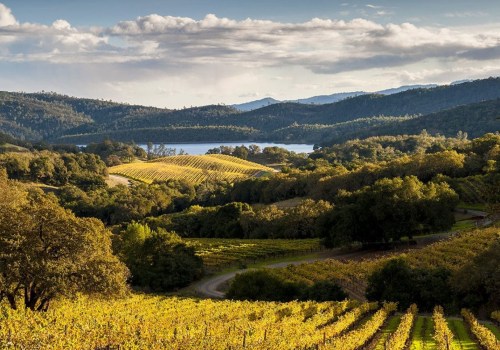
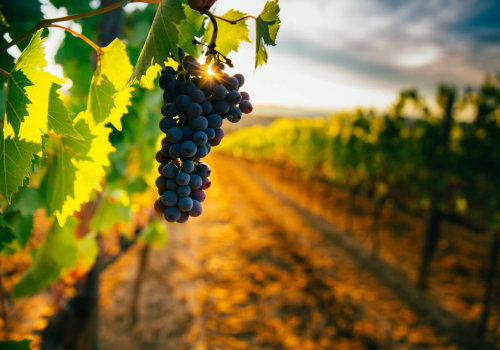
The world of wineries is as diverse and intricate as the wines they produce. At first glance, one might envision a quaint vineyard with rows of grapevines stretching towards the horizon, but the reality is far more complex. Wineries come in various forms, each with its own unique approach to the art of winemaking. Understanding this landscape is essential for anyone looking to appreciate the nuances of wine production and the different types of wineries that exist.In essence, a winery serves as the heart of the winemaking process, where grapes are transformed into the beloved beverage enjoyed by many.
However, not all wineries operate under the same model. Some are estate wineries that cultivate their own grapes, while others may rely on purchasing grapes from external sources. This distinction plays a significant role in determining the quality and character of the wines produced. For instance, estate wineries often have complete control over their grape selection and growing conditions, allowing them to create wines that truly reflect their terroir.Moreover, there are custom crush wineries that provide facilities for other winemakers to produce their wines without owning vineyards themselves.
This model has gained popularity as it allows smaller producers to enter the market without the substantial investment required for land and equipment. Additionally, négociant wineries blend wines from various sources to create unique offerings, showcasing a different aspect of creativity in winemaking.As we delve deeper into this topic, we will explore the various types of wineries and their specific roles in the winemaking process. By understanding these distinctions, consumers can make more informed choices when selecting wines and gain a greater appreciation for the craftsmanship involved in each bottle.
The Winemaking Process: A Brief Overview
The journey of transforming grapes into wine is a meticulous and intricate process that involves several key stages. Understanding this winemaking process not only enhances appreciation for the final product but also demystifies the art behind it.1.Harvesting
The first step in the winemaking process is harvesting the grapes.
This can be done either by hand or by machine, depending on the winery's size and philosophy. Hand harvesting is often preferred for high-quality wines, as it allows for careful selection of the best grapes. Timing is crucial; grapes must be picked at their peak ripeness to ensure optimal flavor and sugar content.
2.Crushing and Pressing
Once harvested, the grapes are taken to the winery where they undergo crushing. This process breaks the skins of the grapes, releasing their juice.
For white wines, the juice is separated from the skins immediately through pressing, while for red wines, the skins are left in contact with the juice during fermentation to extract color and tannins.
3.Fermentation
Fermentation is a critical phase in how wine is made. During this stage, yeast is added to the grape juice (or must) to convert sugars into alcohol and carbon dioxide. This process can take anywhere from a few days to several weeks, depending on various factors such as temperature and yeast strain. The result is a young wine that still requires further development.
4.Aging
After fermentation, the wine is typically aged in barrels or tanks.
Aging allows flavors to mature and develop complexity. The choice of aging vessel—whether oak barrels or stainless steel tanks—can significantly influence the wine's final profile. Oak barrels impart additional flavors such as vanilla and spice, while stainless steel preserves the wine's fresh fruit characteristics.
5.Bottling
The final step in the winemaking process is bottling. Before bottling, wines may undergo fining and filtration to clarify and stabilize them.
Once ready, the wine is bottled under controlled conditions to prevent oxidation and contamination. Some wines may continue to evolve in the bottle, while others are best enjoyed young.In conclusion, each stage of the winemaking process plays a vital role in shaping the character of the wine. From harvesting to bottling, every decision made by winemakers influences the final product that reaches consumers' glasses.
Types of Wineries: Who Makes Their Own Wine?
Understanding the different types of wineries is crucial for anyone interested in the wine industry. Each type operates under a unique business model, which influences whether they produce their own wine or source it from other growers.Here’s a closer look at the primary categories of wineries:
- Estate Wineries : These are perhaps the most traditional type of winery. Estate wineries grow their own grapes on-site and manage the entire winemaking process from vineyard to bottle. This allows them to maintain complete control over the quality and characteristics of their wines. Estate wineries often pride themselves on producing wines that reflect the terroir—the unique environmental conditions of their vineyard.
This connection to the land can result in distinctive flavors and styles that are highly sought after by wine enthusiasts.
- Custom Crush Wineries : Unlike estate wineries, custom crush wineries do not have their own vineyards. Instead, they provide facilities and equipment for other grape growers to produce their wines. This model allows smaller producers or new winemakers to create their products without the significant investment required for a full-scale winery. Custom crush wineries can offer a range of services, from fermentation to bottling, making them an essential part of the winemaking ecosystem.
- Négociant Wineries : Négociants operate similarly to custom crush wineries but with a twist.
They purchase grapes from various growers and may also buy already-made wine from other wineries. By blending these different sources, négociants can create unique wine offerings that showcase a variety of styles and flavors. This flexibility allows them to cater to diverse consumer preferences without being tied to a single vineyard's output.
- Virtual Wineries : Also known as garagiste wineries, virtual wineries take a different approach altogether. They do not have a physical production facility; instead, they outsource all aspects of winemaking to established facilities.
This model enables them to focus on marketing and sales while keeping overhead costs low. Virtual wineries often produce limited-edition wines that appeal to niche markets, allowing them to stand out in a crowded industry.
Estate Wineries: The Traditional Approach
Estate wineries represent the epitome of traditional winemaking, where the entire process—from grape cultivation to wine production—occurs on-site. These wineries are often characterized by their commitment to quality and craftsmanship, which is essential for producing premium wines that reflect the unique terroir of their vineyards.At an estate winery, the journey of wine begins in the vineyard.Vineyard management is a critical aspect of this process, as it involves meticulous care and attention to detail. Estate wineries typically employ sustainable farming practices, ensuring that the grapes are grown in harmony with the environment. This includes:
- Soil health management: Utilizing organic fertilizers and cover crops to enhance soil fertility.
- Pest control: Implementing integrated pest management strategies to minimize chemical use.
- Water conservation: Employing efficient irrigation techniques to reduce water waste.
This direct involvement in every step of the winemaking process allows estate wineries to maintain strict quality control. Winemakers can make real-time decisions about fermentation, aging, and blending, ensuring that each bottle reflects their vision and expertise.Moreover, estate wineries often emphasize small-batch production, which further enhances the quality of their wines. By limiting the quantity produced, they can devote more time and resources to perfecting each vintage. This artisanal approach not only results in exceptional wines but also fosters a deeper connection between the winemaker and the consumer.In conclusion, estate wineries embody a traditional approach to winemaking that prioritizes quality over quantity.
Their commitment to vineyard management and craftsmanship ensures that each bottle tells a story of its origin, making them a favorite among wine enthusiasts seeking authentic and premium experiences.
Custom Crush Wineries: A Collaborative Model
Custom crush wineries represent a unique and increasingly popular model within the wine industry, serving as vital service providers for grape growers who may not have the resources or facilities to produce wine independently. This collaborative approach allows smaller vineyards and aspiring winemakers to bring their products to market without the significant investment required for a full-scale winery.At its core, a custom crush winery operates by offering winemaking services to grape growers. These wineries possess the necessary equipment, facilities, and expertise to transform harvested grapes into finished wine. This arrangement is particularly beneficial for:- Small Vineyards: Many small-scale grape growers lack the capital to establish their own production facilities.
By partnering with a custom crush winery, they can focus on cultivating high-quality grapes while leaving the winemaking process to experienced professionals.
- Aspiring Winemakers: Individuals looking to enter the wine industry can experiment with their own blends and styles without the burden of investing in expensive equipment or infrastructure.
- Seasonal Producers: Some growers may only produce grapes during certain seasons and prefer not to maintain a full-time winery operation. Custom crush wineries allow them to utilize their harvest effectively.
With access to professional equipment and skilled winemakers, even novice producers can achieve high-quality results that might otherwise be unattainable. This elevates the reputation of the entire area, attracting more consumers and tourists interested in exploring local wines.In conclusion, custom crush wineries exemplify a collaborative model that benefits both grape growers and consumers alike. By providing essential services and fostering innovation, they contribute significantly to the dynamic landscape of the wine industry, making it more accessible for new entrants while maintaining high standards of quality.
Négociant Wineries: Blending Tradition with Innovation
Négociant wineries represent a fascinating segment of the wine industry, where tradition meets innovation. Unlike estate wineries that cultivate their own grapes, négociants focus on sourcing grapes and finished wines from various growers and producers.This approach allows them to create unique blends that reflect a diverse range of terroirs and winemaking styles.One of the primary advantages of négociant wineries is their ability to blend wines from different regions, grape varieties, and vintages. This blending process not only enhances the complexity of the final product but also allows for greater consistency in quality. By carefully selecting grapes from multiple sources, négociants can craft wines that appeal to a broad audience while showcasing the best characteristics of each component.Moreover, négociant wineries often embrace innovative techniques in their winemaking processes. They may experiment with different fermentation methods, aging techniques, and blending ratios to achieve distinct flavor profiles.
This willingness to innovate can lead to exciting new offerings that challenge traditional notions of what wine can be.For consumers, négociant wines provide an opportunity to explore a wide variety of flavors and styles without the constraints of a single vineyard's production. These wines can range from approachable and easy-drinking options to complex and age-worthy selections. As such, they cater to both casual wine drinkers and connoisseurs alike.In addition to their creative blending practices, many négociant wineries prioritize sustainability and ethical sourcing. By collaborating with local growers who practice responsible viticulture, they contribute to the preservation of regional ecosystems while supporting small-scale farmers.
This commitment to sustainability not only enhances the quality of their wines but also resonates with environmentally conscious consumers.In conclusion, négociant wineries play a vital role in the wine landscape by blending tradition with innovation. Their ability to source grapes from various regions and create unique blends allows for a rich tapestry of flavors that can satisfy diverse palates. As wine enthusiasts continue to seek out new experiences, négociant wines will undoubtedly remain an appealing choice for those looking to expand their horizons in the world of wine.
Virtual Wineries: The New Age of Winemaking
In recent years, the emergence of virtual wineries , often referred to as garagiste wineries , has transformed the landscape of winemaking. These innovative establishments operate without a physical vineyard or production facility, instead opting to outsource the entire winemaking process.This model not only allows for greater creativity but also offers a cost-effective solution for aspiring winemakers.Virtual wineries typically focus on marketing and branding, leaving the technical aspects of winemaking to established facilities. This outsourcing approach enables them to:
- Minimize overhead costs: By not investing in expensive equipment or real estate, virtual wineries can allocate their resources towards quality ingredients and marketing efforts.
- Experiment with diverse grape sources: Without being tied to a specific vineyard, these wineries can source grapes from various regions, allowing for unique blends and innovative flavor profiles.
- Focus on storytelling: Virtual wineries often emphasize their brand narrative, connecting with consumers through compelling stories about their wine's origins and the creative process behind each bottle.
Consumers are increasingly drawn to the idea of supporting small-scale producers who prioritize quality and innovation over mass production.In conclusion, virtual or garagiste wineries represent a new age of winemaking that embraces creativity and flexibility. By outsourcing production, these wineries can focus on crafting unique wines while keeping costs manageable. As this trend continues to evolve, it will undoubtedly shape the future of the wine industry, offering consumers exciting new options and experiences.
The Importance of Transparency in the Wine Industry
In an industry as intricate and storied as winemaking, transparency has emerged as a cornerstone of consumer trust. As wine enthusiasts become more discerning, they increasingly seek to understand the origins of their favorite bottles.This demand for clarity is not merely a trend; it reflects a broader shift towards ethical consumption across various sectors.Wineries that prioritize transparency in their production methods foster a deeper connection with their customers. By openly sharing information about where and how grapes are sourced, wineries can demystify the winemaking process. This openness not only enhances the consumer's appreciation for the wine but also builds a sense of loyalty and trust.However, the reality is that not all wineries adhere to these principles. Some may misrepresent their practices, claiming to be estate wineries while actually sourcing grapes from external growers.
This lack of honesty can lead to consumer skepticism and damage the reputation of the entire industry. To combat this, it is essential for consumers to educate themselves about the different types of wineries and their respective practices.Here are some key aspects that consumers should consider when evaluating transparency in the wine industry:
- Sourcing Grapes: Understanding where grapes come from is crucial. Wineries that grow their own grapes can provide detailed information about their vineyard practices, including organic or sustainable farming methods.
- Production Methods: Transparency about winemaking techniques—such as fermentation processes, aging conditions, and any additives used—can significantly impact the quality and character of the wine.
- Labeling Practices: Clear labeling that accurately reflects the wine's origin and production methods helps consumers make informed choices. Look for certifications or designations that indicate adherence to specific standards.
Wineries that embrace this ethos will likely find themselves rewarded with a loyal customer base that values authenticity. As consumers become more informed and engaged, they will continue to demand greater accountability from wineries, pushing the industry towards higher standards of transparency.
Common Misconceptions About Wineries
When it comes to wineries, several misconceptions can cloud the understanding of how these establishments operate. Addressing these myths is crucial for wine enthusiasts and casual drinkers alike, as it fosters a deeper appreciation for the complexities of the wine industry.Myth 1: All Wineries Produce Their Own Wine
One of the most prevalent misconceptions is that every winery creates its own wine from grapes grown on-site. While many wineries, known as estate wineries, do indeed cultivate their own grapes and manage the entire winemaking process, this is not universally true.
There are various types of wineries:
- Custom Crush Wineries: These facilities produce wine for other growers who may not have their own production capabilities.
- Négociant Wineries: They purchase grapes and sometimes even finished wine from other producers to blend and sell under their label.
- Virtual Wineries: These do not have a physical production site and outsource all winemaking processes, focusing primarily on marketing.
Myth 2: All Wines from Wineries Are High Quality
Another common belief is that wines produced by wineries are inherently high quality. While many wineries strive for excellence and produce exceptional wines, quality can vary significantly based on factors such as grape sourcing, winemaking techniques, and even the winery's experience. It’s essential for consumers to research and taste before making assumptions about quality.
Myth 3: Wineries Only Cater to Wine Connoisseurs
Many people think that wineries are exclusive venues meant only for seasoned wine aficionados. In reality, most wineries welcome visitors of all backgrounds and offer tastings designed to educate and engage newcomers.
Many also provide tours that demystify the winemaking process, making it accessible to everyone.
Myth 4: All Wineries Are Large Operations
While some wineries are indeed large commercial operations, there are countless small, family-owned wineries that produce limited quantities of wine. These smaller establishments often focus on quality over quantity and may offer unique varietals that larger producers do not.By debunking these misconceptions about wineries, consumers can make more informed choices when selecting wines and visiting these fascinating establishments. Understanding the diversity within the winery landscape enhances appreciation for the craft of winemaking.
Conclusion: Understanding Wineries and Their Roles in Winemaking
In summary, the world of wineries is far more complex than many consumers might initially perceive. While the romantic image of a winery often conjures thoughts of lush vineyards and artisanal winemaking, the reality is that not all wineries engage in the production of their own wine.Understanding the different types of wineries and their respective roles in the winemaking process is crucial for anyone looking to deepen their appreciation for wine.As we explored, estate wineries are those that cultivate their own grapes and oversee every aspect of production on-site. This hands-on approach often results in wines that are a true reflection of the terroir, showcasing unique characteristics that can only be attributed to the specific vineyard. In contrast, custom crush wineries serve as facilities where grape growers can have their fruit processed into wine without needing to invest in their own production equipment. This model allows for a diverse range of wines to be produced, albeit with less direct control over the final product.
Négociant wineries
take this concept a step further by blending wines sourced from various producers, creating unique offerings that may not be tied to a single vineyard's identity.
Meanwhile,
virtual wineries
, or garagiste wineries, operate without a physical production site, relying entirely on outsourcing for winemaking while focusing on marketing and sales.This diversity in winery types highlights the importance of transparency within the wine industry. Consumers should feel empowered to ask questions about where their wine comes from and how it was made. By doing so, they can make informed choices that align with their values and preferences.Ultimately, understanding these distinctions not only enhances your wine knowledge but also supports a more transparent and ethical wine market. As you explore different wines, remember that each bottle tells a story—one that reflects the unique practices and philosophies of the winery behind it.