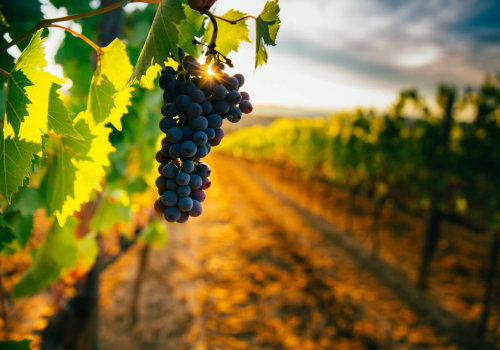
When exploring the world of wine, it is essential to grasp the fundamental distinctions between a winery and a vineyard. While these terms are often used interchangeably, they refer to two distinct components of the winemaking process. A vineyard is primarily the land where grapevines are cultivated, focusing on the agricultural aspects of grape production. In contrast, a winery is a facility where the harvested grapes are transformed into wine through various processes, including fermentation, aging, and bottling.The relationship between a winery and a vineyard is symbiotic; the quality of grapes produced in the vineyard directly influences the wine crafted in the winery.
Understanding this relationship is crucial for anyone interested in viticulture or winemaking. For instance, a vineyard's location, soil composition, and climate conditions play significant roles in determining the flavor profile and quality of the grapes. These factors are meticulously managed by viticulturists who apply their expertise to ensure optimal grape growth.Moreover, while vineyards can exist independently, wineries often rely on multiple vineyards to source their grapes. This allows winemakers to blend different varietals and create unique wines that reflect diverse terroirs.
As we delve deeper into vineyard production, it becomes clear that both elements are integral to the overall success of wine creation. By understanding these differences, readers can appreciate the intricate processes involved in producing their favorite wines.
The Role of Viticulture in Vineyard Production
Viticulture, the science and practice of grape cultivation, plays a pivotal role in the overall success of vineyard production. Understanding the intricacies of viticulture is essential for producing high-quality grapes that can be transformed into exceptional wines. This section explores various aspects of viticulture, including grape cultivation techniques, soil management, and climate considerations.Grape Cultivation Techniques
Successful grape cultivation begins with selecting the right grape varieties suited to the specific climate and soil conditions of the vineyard.Different grape varieties have unique requirements regarding sunlight, temperature, and moisture levels. For instance, Cabernet Sauvignon thrives in warmer climates, while Pinot Noir prefers cooler temperatures.Once the appropriate varieties are chosen, vineyard management practices come into play. These practices include:
- Pruning: Regular pruning is crucial for controlling vine growth and ensuring optimal fruit production. It helps to manage canopy density, allowing sunlight to penetrate and air to circulate.
- Irrigation: Proper irrigation techniques are vital in regions with limited rainfall.
Drip irrigation systems can provide precise water delivery directly to the roots, promoting healthy vine growth.
- Pest Management: Integrated pest management (IPM) strategies are essential for protecting vines from pests and diseases without harming the environment. This includes monitoring pest populations and using organic or sustainable methods when possible.
Soil Management
The foundation of any successful vineyard lies in its soil. Soil composition affects water retention, nutrient availability, and root development. Conducting soil tests can help viticulturists understand the pH levels and nutrient content of their soil, allowing them to amend it accordingly.Common soil management practices include:- Cover Cropping: Planting cover crops can improve soil structure, enhance biodiversity, and prevent erosion.
They also contribute organic matter back into the soil.
- Fertilization: Applying organic or synthetic fertilizers based on soil test results ensures that vines receive the necessary nutrients for optimal growth.
- Tillage: Minimal tillage practices can help maintain soil health by preserving its structure and microbial life.
Climate Considerations
The climate of a vineyard significantly influences grape quality and yield. Factors such as temperature fluctuations, rainfall patterns, and sunlight exposure must be carefully monitored. For example, regions with warm days and cool nights often produce grapes with balanced acidity and sugar levels.Additionally, understanding microclimates within a vineyard can lead to better management decisions. Areas that receive more sunlight or have better drainage may require different care compared to shaded or wetter sections.In conclusion, viticulture encompasses a wide range of practices that are essential for successful vineyard production.By focusing on grape cultivation techniques, effective soil management, and climate considerations, viticulturists can ensure that their vineyards thrive and produce high-quality grapes for winemaking.
Choosing the Right Grape Varieties for Your Vineyard
Choosing the right grape varieties for your vineyard is a critical decision that can significantly influence the quality of wine produced and the overall success of your winery. The selection process involves a careful analysis of various factors, including regional climate, soil type, and market demand.Understanding Regional Conditions
- Climate: Different grape varieties thrive in specific climatic conditions. For instance, Cabernet Sauvignon prefers warmer climates with long growing seasons, while Pinot Noir flourishes in cooler regions. Understanding your local climate will help you select varieties that are more likely to succeed.
- Soil Type: The composition of your soil plays a vital role in grape cultivation.
Varieties like Sangiovese do well in well-drained soils, while Chardonnay can adapt to a range of soil types. Conducting a soil test can provide insights into pH levels and nutrient availability, guiding your selection.
- Topography: The elevation and slope of your vineyard can affect sunlight exposure and drainage. For example, vineyards on slopes may benefit from better air circulation, which can reduce disease pressure.
Market Demand Considerations
While it’s essential to choose grape varieties that suit your vineyard's conditions, understanding market trends is equally important. Researching consumer preferences can help you identify which wines are gaining popularity.
For instance, if there is a growing demand for organic wines, you might consider planting varieties that are easier to cultivate sustainably.
Diversity in Planting
Diversifying your grape varieties can also be beneficial. By planting multiple types, you can mitigate risks associated with climate fluctuations or pest infestations. Additionally, having a variety of grapes allows for the production of different wine styles, catering to a broader audience.
Consulting Experts
If you're uncertain about which grape varieties to choose, consulting with viticulture experts or local extension services can provide valuable insights tailored to your specific region. They can offer guidance on successful varieties based on historical data and current trends.In conclusion, selecting the right grape varieties for your vineyard is a multifaceted process that requires careful consideration of environmental factors and market dynamics.
By making informed choices, you set the foundation for producing high-quality wines that resonate with consumers.
Soil Health and Its Impact on Vineyard Success
Soil health is a cornerstone of successful vineyard production, influencing everything from grape quality to overall yield. The intricate relationship between soil and vine health cannot be overstated; it is essential for viticulturists to understand the various soil types and their unique characteristics to optimize grape cultivation.Different soil types offer distinct advantages and challenges for vineyards. Here are some of the most common soil types found in vineyard settings:- Clay Soil: Known for its ability to retain moisture, clay soil can be beneficial in drier climates. However, it can also lead to poor drainage, which may cause root rot if not managed properly.
- Sandy Soil: This type drains quickly and warms up faster in the spring, making it ideal for early ripening varieties.
However, sandy soils often require more frequent irrigation and fertilization due to their low nutrient-holding capacity.
- Silt Soil: Rich in nutrients and capable of retaining moisture, silt soils are often considered ideal for grape growing. They provide a balanced environment that supports healthy vine growth.
- Loam Soil: A mixture of sand, silt, and clay, loam is often regarded as the best soil type for vineyards. It offers excellent drainage while retaining enough moisture and nutrients for optimal vine health.
This leads to better fruit development and ultimately higher-quality wine. To maintain soil health, vineyard managers should consider implementing practices such as:
- Cover Cropping: Planting cover crops can improve soil structure, prevent erosion, and enhance biodiversity.
- Organic Matter Addition: Incorporating compost or other organic materials can boost nutrient levels and microbial activity in the soil.
- Soil Testing: Regular testing helps identify nutrient deficiencies or imbalances, allowing for targeted amendments that support vine health.
Climate Considerations in Vineyard Management
Understanding the climate in which a vineyard operates is crucial for successful grape production. Various climatic factors, including temperature, rainfall, and seasonal changes, play a significant role in determining the quality and yield of grapes.Each grape variety has its own specific climate requirements, making it essential for vineyard owners to assess their local conditions carefully.
Temperature Ranges
Temperature is one of the most critical factors influencing grape growth. Most grapevines thrive in regions where the average temperature during the growing season ranges from 70°F to 85°F (21°C to 29°C). However, extreme temperatures can adversely affect the vines:
- High Temperatures: Excessive heat can lead to sunburn on grapes and hinder photosynthesis, ultimately affecting fruit quality.
- Low Temperatures: Frost can damage young buds and flowers, while prolonged cold spells can halt growth altogether.
Rainfall Patterns
The amount and timing of rainfall are equally important. Grapes require consistent moisture, especially during the flowering and fruit-setting stages.
However, too much rain can lead to:
- Root Rot: Excessive moisture can suffocate roots and promote fungal diseases.
- Dilution of Flavors: Overly wet conditions can dilute the sugars and acids in grapes, leading to bland wines.
Seasonal Changes
The four seasons each bring unique challenges and opportunities for vineyard management. Spring is a time for growth, but late frosts can threaten young shoots. Summer requires vigilant monitoring of water levels and pest control. Autumn is critical for harvesting at the right moment when grapes reach optimal ripeness.
Finally, winter is a time for pruning and preparing the vineyard for the next growing season.In conclusion, effective vineyard climate management involves understanding how temperature ranges, rainfall patterns, and seasonal changes impact grape growth. By adapting their practices to local climatic conditions, vineyard owners can enhance both the quality and quantity of their grape production.
Pest Management Strategies in Vineyards
Effective pest management is essential for maintaining the health and productivity of vineyards. Grapevines are susceptible to a variety of pests that can significantly impact yield and quality. Understanding these pests and implementing appropriate control strategies is crucial for any viticulturist.Common vineyard pests include:- Grape Phylloxera: A tiny aphid-like insect that feeds on grapevine roots, causing stunted growth and reduced yields.
- Spider Mites: These microscopic pests thrive in hot, dry conditions and can cause leaf discoloration and defoliation.
- Leafhoppers: Small insects that feed on the sap of grapevines, leading to reduced vigor and potential disease transmission.
- Mealybugs: These pests excrete honeydew, which can lead to sooty mold and attract other pests like ants.
Chemical Pest Control
Chemical pest control involves the use of pesticides to manage pest populations.While effective, it is essential to use these products judiciously to minimize environmental impact and avoid harming beneficial insects. Key considerations include:
- Targeted Application: Apply pesticides only when pest populations exceed economic thresholds to reduce unnecessary chemical use.
- Timing: Timing applications to coincide with pest life cycles can enhance effectiveness while minimizing harm to non-target species.
- Integrated Pest Management (IPM): Combine chemical controls with cultural practices, such as crop rotation and sanitation, to create a holistic approach.
Organic Pest Control Methods
For those seeking sustainable practices, organic pest control methods offer viable alternatives. These methods focus on prevention and natural solutions:- Cultural Practices: Implementing practices such as proper vine spacing, canopy management, and soil health improvement can reduce pest pressure.
- Naturally Occurring Predators: Encouraging beneficial insects like ladybugs and lacewings can help control pest populations naturally.
- Biodynamic Treatments: Utilizing preparations made from natural substances, such as compost teas or herbal infusions, can enhance vine resilience against pests.
- Pheromone Traps: These traps disrupt mating patterns of certain pests, reducing their populations without chemicals.
This balanced approach not only safeguards the health of the vines but also contributes to the overall quality of the wine produced.
Harvesting Techniques: Timing and Methods
Harvesting grapes is a pivotal moment in the vineyard cycle, as it directly influences the quality of the wine produced. Understanding when to harvest is essential for ensuring that the grapes reach their optimal flavor profile and sugar content. The timing of the harvest can vary significantly based on several factors, including grape variety, climate conditions, and desired wine style.Determining the Best Time to Harvest Grapes
One of the most critical aspects of grape harvesting is knowing when to pick. The best time to harvest grapes is typically when they have reached their peak ripeness, which can be assessed through various methods:
- Tasting: Regularly tasting the grapes as they approach maturity can provide valuable insights into their flavor development.
Look for a balance between sweetness and acidity.
- Sugar Levels: Measuring the sugar content using a refractometer helps determine if the grapes have reached the desired brix level, which varies by wine type.
- Acidity Testing: Monitoring acidity levels is equally important, as high acidity can indicate that grapes are not yet ready for harvest.
- Color and Texture: Observing changes in color and texture can also signal ripeness. For example, red grape varieties should exhibit a deep color and soft skin.
Grape Harvesting Methods
Once the decision to harvest has been made, vineyard managers must choose an appropriate harvesting method. There are two primary techniques:
- Hand Harvesting: This traditional method involves manually picking grapes from the vines. It allows for careful selection of only the best fruit and minimizes damage to the vines.
Hand harvesting is often preferred for premium wines where quality is paramount.
- Mechanical Harvesting: This method employs machines to quickly gather grapes from the vines. While it is faster and more cost-effective, it may result in a higher percentage of damaged fruit and leaves. Mechanical harvesting is commonly used in larger vineyards where efficiency is crucial.
By carefully assessing ripeness and selecting an appropriate harvesting method, vineyard managers can ensure that their grapes are transformed into exceptional wines that reflect their terroir.
Sustainable Practices in Vineyard Production
In recent years, the demand for sustainable vineyards has surged as consumers become increasingly aware of the environmental impact of their choices. Sustainable vineyard production not only benefits the planet but also enhances the quality of wine produced. By adopting eco-friendly viticulture practices, vineyard owners can create a harmonious balance between agriculture and nature.One of the core principles of sustainable viticulture is the use of organic farming practices. This approach eliminates synthetic pesticides and fertilizers, opting instead for natural alternatives that promote soil health and biodiversity.For instance, cover crops can be planted between vine rows to improve soil structure, prevent erosion, and enhance nutrient cycling. These plants also attract beneficial insects that help control pest populations naturally.Another essential aspect of sustainable vineyard management is water conservation. Implementing drip irrigation systems allows for precise water delivery directly to the roots of the vines, minimizing waste and ensuring that each plant receives the optimal amount of moisture. Additionally, rainwater harvesting systems can be installed to collect and store rainwater for irrigation purposes, further reducing reliance on municipal water sources.Moreover, sustainable vineyards often incorporate integrated pest management (IPM) strategies.
This holistic approach combines biological control methods, such as introducing natural predators, with cultural practices like crop rotation and habitat diversification. By fostering a balanced ecosystem within the vineyard, growers can reduce chemical inputs while maintaining healthy grapevines.Furthermore, many vineyards are now focusing on energy efficiency by utilizing renewable energy sources such as solar panels. This not only reduces their carbon footprint but also lowers operational costs in the long run. The implementation of energy-efficient equipment and practices can significantly contribute to a vineyard's sustainability goals.In conclusion, adopting eco-friendly viticulture practices is essential for modern vineyard production.
By prioritizing sustainability through organic farming, water conservation, integrated pest management, and energy efficiency, vineyard owners can produce high-quality wines while protecting the environment for future generations. As consumers continue to seek out wines from sustainable sources, embracing these practices will not only benefit the planet but also enhance a vineyard's reputation and marketability.
The Future of Vineyard Production: Trends and Innovations
The landscape of vineyard production is evolving rapidly, driven by a combination of technological advancements and shifting consumer preferences. As we look to the future, several key trends and innovations are emerging that promise to reshape the way vineyards operate and how wine is produced.Technological Advancements in Viticulture
One of the most significant trends in vineyard production is the integration of technology. Precision viticulture, which utilizes data analytics and satellite imagery, allows vineyard managers to monitor vine health, soil conditions, and microclimates with unprecedented accuracy.This data-driven approach enables more informed decisions regarding irrigation, fertilization, and pest management, ultimately leading to higher quality grapes and more sustainable practices.Additionally, the use of drones in vineyards is becoming increasingly popular. Drones can quickly survey large areas, providing real-time data on vine health and identifying issues such as disease or water stress before they become critical. This proactive approach not only saves time but also reduces the need for chemical interventions, aligning with the growing consumer demand for organic and sustainably produced wines.
Changing Consumer Preferences
As consumers become more environmentally conscious, there is a noticeable shift towards sustainable and organic wines. Many vineyards are responding by adopting organic farming practices and obtaining certifications that appeal to eco-minded consumers.This trend is not just about marketing; it reflects a genuine commitment to environmental stewardship that resonates with today’s wine drinkers.Moreover, the rise of e-commerce has transformed how consumers purchase wine. Online sales platforms allow wineries to reach a broader audience while providing consumers with access to a wider variety of wines than ever before. This shift necessitates that vineyards not only produce high-quality wines but also invest in effective online marketing strategies to engage with their customers.
The Role of Climate Adaptation
Climate change poses significant challenges for vineyard production, prompting many producers to explore innovative solutions. Some vineyards are experimenting with drought-resistant grape varieties or implementing water conservation techniques to adapt to changing weather patterns.Others are exploring vertical farming or greenhouse cultivation as a means to mitigate the impacts of climate variability.In conclusion, the future of vineyard production is poised for transformation through technological innovation and a deeper understanding of consumer preferences. By embracing these trends, vineyards can not only enhance their operational efficiency but also ensure they remain relevant in an ever-evolving market.
<strong>Conclusion</strong>: The Intricate Dance of Science and Art in Vineyard Production
In conclusion, the journey of vineyard production is a remarkable blend of science and art , each element playing a crucial role in the creation of exceptional wines. Understanding the intricate relationship between these two aspects is essential for anyone involved in viticulture or simply passionate about wine.The scientific side of vineyard production encompasses a wide range of disciplines, including botany , soil science , and climatology. Each grape variety has its unique requirements for growth, and a successful viticulturist must be well-versed in these needs.From selecting the right soil type to understanding the microclimates that affect grape ripening, every decision made in the vineyard is rooted in scientific principles.On the other hand, the artistic aspect of winemaking cannot be overlooked. The transformation of grapes into wine is not merely a mechanical process; it involves creativity and intuition. Winemakers often experiment with different fermentation techniques, aging processes, and blending strategies to craft wines that express their unique vision and the terroir from which they originate. This artistic expression is what makes each bottle of wine a reflection of its creator.Moreover, the importance of sustainable practices in vineyard management has become increasingly evident.
As we face challenges such as climate change and environmental degradation, integrating sustainable methods into vineyard production is not just beneficial but necessary. This approach not only preserves the land for future generations but also enhances the quality of the grapes and, consequently, the wine.Ultimately, appreciating wine goes beyond savoring its flavors; it involves recognizing the hard work, dedication, and expertise that go into every bottle. The next time you enjoy a glass of wine, take a moment to reflect on the complex journey it undertook from vine to glass. By understanding both the scientific and artistic elements of vineyard production, we can cultivate a deeper appreciation for this age-old craft.