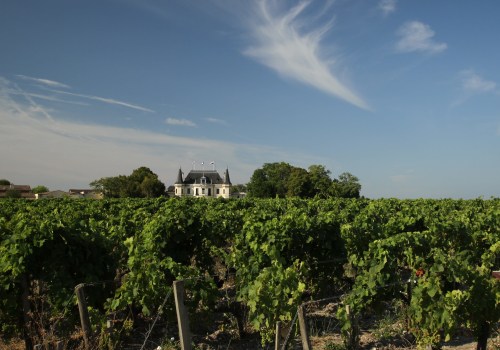
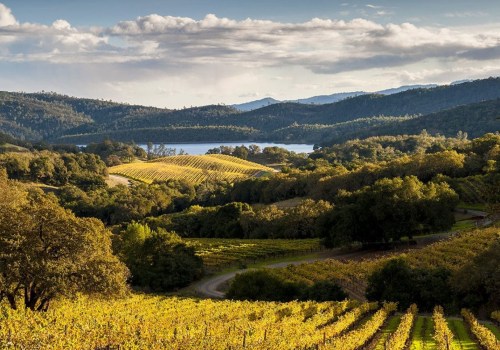
Napa Valley, often hailed as the crown jewel of American winemaking, has cultivated a reputation that transcends mere geography. Known for its picturesque vineyards and rolling hills, this region is synonymous with high-quality wines that have captured the hearts and palates of enthusiasts worldwide. However, the allure of Napa Valley wines extends beyond their taste; it is deeply intertwined with perceptions of luxury and exclusivity. As a result, many consumers are left wondering: are these wines truly worth their often hefty price tags?The reputation of Napa Valley wines is a complex tapestry woven from various threads, including the region's unique climate, soil conditions, and the meticulous practices employed by local winemakers.
The ideal conditions for grape growing here have led to the production of some of the finest varietals, particularly Cabernet Sauvignon and Chardonnay. Yet, while the quality is undeniable, the question remains whether this justifies the premium prices that many Napa wines command.In recent years, Napa Valley has become a symbol of opulence in the wine world. The perception that all wines from this region are expensive can deter potential consumers who might otherwise enjoy exploring its offerings. However, it is essential to recognize that not every bottle from Napa Valley comes with a sky-high price tag.
In fact, there are numerous wineries that provide excellent quality wines at more accessible price points, allowing a broader audience to experience what this celebrated region has to offer.As we delve deeper into the intricacies of Napa Valley's wine reputation, we will explore the factors contributing to its perceived expense and uncover the hidden gems that challenge the notion that all Napa wines are out of reach for the average consumer. By understanding these dynamics, wine lovers can make informed choices and appreciate the diverse landscape of Napa Valley wines without being intimidated by their reputation.
The Factors Influencing Wine Prices in Napa Valley
Understanding the pricing of Napa Valley wines requires a closer examination of several key factors that contribute to their costs. While many consumers may perceive these wines as expensive, the reality is that various elements play a significant role in determining their price points.1.Production Costs
The cost of producing wine in Napa Valley is notably high due to several reasons:
- Land Prices: The real estate market in Napa Valley is one of the most expensive in the United States. The cost of land for vineyards can be astronomical, often reaching hundreds of thousands to millions of dollars per acre.
This initial investment significantly impacts the overall cost of wine production.
- Labor Expenses: Skilled labor is essential for maintaining vineyards and producing high-quality wines. Workers with expertise in viticulture and enology command higher wages, contributing to increased production costs.
- Quality Equipment: Wineries in Napa Valley often invest in state-of-the-art equipment and technology to ensure the best possible wine quality. This includes advanced fermentation tanks, bottling lines, and aging barrels, which can be quite costly.
- Aging Process: Many Napa Valley wines are aged in premium oak barrels, which not only enhance flavor but also add to production costs. These barrels can be quite expensive, especially when sourced from renowned cooperages.
2.Marketing Strategies
Napa Valley wineries have mastered the art of marketing, which plays a crucial role in their pricing strategy:
- Branding: The Napa Valley brand is synonymous with luxury and quality.
Wineries invest heavily in branding efforts to create a perception of exclusivity, allowing them to charge premium prices.
- Tasting Experiences: Many wineries offer curated tasting experiences that include tours, food pairings, and exclusive access to limited releases. These experiences not only enhance customer engagement but also justify higher price points.
- Tourism Influence: Napa Valley attracts millions of tourists each year, creating a high demand for its wines. This influx allows wineries to set higher prices based on perceived value and demand.
3.Regional Characteristics
The unique characteristics of Napa Valley also contribute to its wine pricing:
- Climate and Terroir: The region's ideal climate and diverse terroir allow for the cultivation of high-quality grapes. This natural advantage enhances the quality of the wines produced, which can command higher prices.
- Regulatory Standards: Napa Valley has strict regulations governing grape growing and winemaking practices.
Compliance with these standards often requires additional investments in sustainable practices and certifications, further influencing costs.
The Cost of Production: What Makes Napa Valley Unique?
Napa Valley is renowned not only for its exquisite wines but also for the unique climate and soil conditions that contribute to the overall cost of production. Understanding these factors is essential for appreciating why Napa wines often come with a higher price tag.The region's climate is characterized by a Mediterranean influence, which provides warm, dry summers and cool, wet winters. This climate is ideal for grape growing, allowing for a long growing season that enhances the ripening process.The temperature variations between day and night help to preserve the acidity in grapes, which is crucial for producing balanced wines. Additionally, the diverse microclimates within Napa Valley allow winemakers to cultivate a variety of grape types, each thriving in its specific environment.Soil composition also plays a pivotal role in Napa Valley's uniqueness. The valley features a range of soil types, from volcanic ash to clay and gravelly loam. Each type contributes distinct characteristics to the grapes grown in those areas.
For instance, Cabernet Sauvignon thrives in well-drained soils that promote deep root growth, while Chardonnay benefits from soils that retain moisture. This diversity not only enhances the quality of the grapes but also necessitates careful vineyard management and investment in soil health.Moreover, Napa Valley wineries often adhere to strict regulations regarding grape growing and winemaking practices. These regulations ensure high standards but also require significant investment in technology and labor. Wineries must employ skilled laborers who understand the nuances of viticulture and winemaking, further driving up production costs.In summary, the combination of Napa Valley's exceptional climate, diverse soil types, and rigorous production standards creates an environment that fosters high-quality wine production.
While these factors contribute to increased costs, they also justify the premium prices associated with Napa Valley wines. Consumers can take comfort in knowing that their investment supports not only the artistry of winemaking but also sustainable practices that enhance the region's unique offerings.
Marketing Strategies: The Art of Selling Napa Wines
The marketing strategies employed by Napa Valley wineries have played a pivotal role in establishing the region as a premier destination for wine enthusiasts and collectors alike. By leveraging a combination of branding, storytelling, and experiential marketing, these wineries have successfully positioned their products as symbols of luxury and exclusivity.Branding Napa Valley Wines
- Creating a Unique Identity: Each winery in Napa Valley strives to create a distinct brand identity that resonates with consumers. This involves not only the design of labels and packaging but also the narrative behind each wine.
Wineries often highlight their unique terroir, winemaking techniques, and the passion of their vintners to create an emotional connection with potential buyers.
- Utilizing Heritage and Tradition: Many Napa wineries emphasize their long-standing traditions and heritage in winemaking. By showcasing their history, they cultivate a sense of authenticity that appeals to consumers looking for quality and craftsmanship.
The Role of Luxury Perception
The perception of Napa Valley wines as luxury items is not merely a byproduct of their price tags; it is a carefully crafted image that wineries have cultivated over decades. This perception is influenced by several factors:
- Exclusivity: Limited production runs and small-batch releases create a sense of scarcity, making these wines more desirable. Consumers are often willing to pay a premium for products that are perceived as rare or hard to obtain.
- High-Profile Endorsements: Celebrity endorsements and high-profile wine critics can significantly impact consumer perceptions.
When a well-known figure praises a Napa wine, it elevates its status and desirability among consumers.
Experiential Marketing
Napa Valley wineries also excel in experiential marketing, offering visitors immersive experiences that go beyond mere tastings. These experiences include vineyard tours, food pairings, and exclusive events that allow consumers to engage with the brand on a deeper level. Such interactions not only enhance customer loyalty but also encourage word-of-mouth marketing, which is invaluable in the wine industry.In conclusion, the art of selling Napa Valley wines lies in the strategic use of branding, luxury perception, and experiential marketing. By effectively communicating their unique stories and creating memorable experiences, Napa wineries continue to thrive in an increasingly competitive market.
The Perception of Luxury: Status Symbols in Wine Culture
The world of wine is not just about taste; it is also deeply intertwined with perceptions of luxury and status.In many cultures, wine has long been associated with wealth, sophistication, and exclusivity. This perception significantly influences consumer behavior, leading many to seek out wines that are not only high in quality but also carry a prestigious label.One of the primary reasons consumers are willing to pay a premium for certain wines is the status symbol associated with them. A bottle of wine from a renowned winery in Napa Valley, for instance, is often seen as a reflection of one’s social standing. This phenomenon can be attributed to several factors:
- Brand Reputation: Wineries that have established a strong brand identity often command higher prices.
Consumers are drawn to brands that are synonymous with quality and excellence, believing that these wines will enhance their own image.
- Limited Availability: Many luxury wines are produced in small quantities, making them rare and desirable. The scarcity of these wines creates a sense of urgency among consumers, who may feel compelled to purchase them before they disappear from the market.
- Aesthetic Appeal: The packaging and presentation of luxury wines often contribute to their allure. Elegant labels, intricate bottle designs, and high-quality corks all play a role in how consumers perceive the value of the wine.
Consumers are not just buying a bottle; they are investing in an experience that elevates their social status.Moreover, the influence of social media cannot be overlooked. Platforms like Instagram have transformed how wine is marketed and consumed. Pictures of lavish dinners featuring expensive wines can create a desire among followers to replicate that lifestyle, driving demand for high-end products.In conclusion, the perception of luxury plays a crucial role in shaping consumer behavior within the wine market. As consumers increasingly seek out wines that serve as status symbols, wineries must navigate this landscape carefully, balancing quality with marketing strategies that emphasize exclusivity and prestige.
Affordable Options: Discovering Budget-Friendly Napa Wines
While Napa Valley is often associated with high-end wines and luxury experiences, it’s a common misconception that all wines from this region come with a hefty price tag.In reality, there are numerous affordable Napa wines that offer exceptional quality without breaking the bank. For wine enthusiasts on a budget, exploring these options can lead to delightful discoveries.Many wineries in Napa Valley produce budget-friendly options that cater to a wider audience. These wines are often crafted with the same care and attention to detail as their more expensive counterparts, making them a great choice for those who want to enjoy the essence of Napa without the premium price. Here are some tips for finding affordable wines in Napa Valley:
- Visit Smaller Wineries: While larger, well-known wineries may charge more for their products, smaller family-owned wineries often provide excellent wines at lower prices.
These establishments may not have the same marketing budgets but can offer unique and high-quality selections.
- Look for Value Labels: Some wineries produce specific lines of wines that are designed to be more affordable. These value labels can provide great taste at a fraction of the cost of their flagship offerings.
- Attend Wine Tastings: Participating in tastings can be an excellent way to sample various wines without committing to a full bottle. Many wineries offer tasting flights that include several different wines, allowing you to find budget-friendly favorites.
- Buy Directly from Wineries: Purchasing wine directly from the winery can often save you money compared to retail prices. Many wineries offer discounts for direct purchases or membership programs that provide additional savings.
- Napa Cellars Cabernet Sauvignon: Known for its rich flavors and smooth finish, this wine is often priced around $25, making it an excellent choice for those seeking quality without overspending.
- Bogle Vineyards Chardonnay: This well-balanced Chardonnay offers bright fruit flavors and is typically available for under $15, perfect for casual gatherings or weeknight dinners.
- St.
Supery Dollarhide Estate Sauvignon Blanc:
Priced around $30, this Sauvignon Blanc showcases the vibrant acidity and citrus notes characteristic of Napa Valley whites.
Comparative Analysis: Napa Valley vs. Other Wine Regions
When it comes to wine, Napa Valley is often viewed as a benchmark for quality and price. However, understanding how Napa Valley wines stack up against those from other renowned wine regions can provide valuable insights into their pricing structure and overall value.Price Comparison: Napa Valley vs.
Other RegionsNapa Valley wines typically command higher prices than those from many other wine-producing areas. For instance, the average price of a bottle of Napa wine hovers around $41, which is significantly higher than the average prices in regions like California's Central Coast or Oregon's Willamette Valley , where bottles can often be found for $20 to $30.In contrast, regions such as France's Bordeaux and Burgundy can also feature high price points, particularly for prestigious labels. However, these regions offer a wider range of price points, with many excellent wines available at more accessible prices. For example:
- Bordeaux: Average prices can range from $15 to over $300, depending on the chateau and vintage.
- Burgundy: While some wines can exceed $1,000 per bottle, there are also many affordable options starting around $30.
- Central Coast California: Known for its value-driven wines, with many excellent bottles priced between $15 and $25.
Quality Assessment: Napa Valley vs.
Global CompetitorsThe quality of Napa Valley wines is often lauded due to the region's ideal climate and meticulous winemaking practices. However, other regions also produce exceptional wines that rival Napa's offerings:
- Willamette Valley: Renowned for its Pinot Noir, this region produces wines that are often praised for their elegance and complexity.
- Tuscany: Home to iconic wines like Chianti and Brunello di Montalcino, Tuscany offers a different flavor profile that appeals to many wine enthusiasts.
- Barossa Valley (Australia): Known for its bold Shiraz, Barossa Valley provides a different style that can be both rich and approachable.
The Value Proposition
Ultimately, the question of whether Napa Valley wines are worth their premium price tag depends on individual preferences and experiences. Wine lovers seeking high-quality options may find that Napa's offerings justify the cost due to their distinctive flavors and craftsmanship. However, those open to exploring other regions may discover equally satisfying wines at more budget-friendly prices.This comparative analysis highlights the importance of considering not just the price but also the quality and diversity of wines available globally.By broadening your horizons beyond Napa Valley, you may uncover hidden gems that offer exceptional value without compromising on taste.
Is It Worth the Price? Evaluating Quality vs. Cost
When it comes to Napa Valley wines, the question of whether their prices are justified often arises. The region is renowned for producing some of the finest wines in the world, but with that reputation comes a price tag that can be daunting for many consumers. To determine if these wines are worth the investment, it’s essential to evaluate the relationship between quality and cost.One of the primary factors influencing the price of Napa Valley wines is their quality.Many wineries in this region adhere to strict viticultural practices, ensuring that only the best grapes are harvested. This meticulous attention to detail often results in wines that are not only flavorful but also complex and well-structured. For wine enthusiasts, this level of quality can justify a higher price point.However, personal preference plays a significant role in determining value. What one person considers a premium wine may not resonate with another.
Here are some aspects to consider when evaluating whether Napa Valley wines are worth their price:
- Tasting Experience: Many Napa wines offer unique tasting experiences that reflect the terroir of the region. The combination of climate, soil, and winemaking techniques can create flavors that are distinct and memorable.
- Brand Reputation: Some wineries have established themselves as icons in the wine industry, which can elevate their prices. While these brands often deliver exceptional quality, it’s important to explore lesser-known wineries that may offer equally impressive wines at more accessible prices.
- Occasion: Consider the context in which you plan to enjoy the wine. For special occasions or gifts, investing in a higher-priced Napa wine might be worthwhile.
However, for casual gatherings, there are many affordable options that still provide great taste.
Conclusion: The Real Story Behind Napa Valley Wines
In wrapping up our exploration of Napa Valley wines, it’s essential to recognize the multifaceted nature of this renowned wine region. While it is true that many wines produced here come with a hefty price tag, the narrative surrounding Napa Valley is not solely defined by its expensive offerings.Instead, it is a rich tapestry woven from various threads, including quality, tradition, and accessibility.Throughout this article, we have delved into the reasons behind the perception of high prices in Napa Valley. Factors such as production costs , which include expensive land and labor, as well as the use of premium materials like oak barrels, contribute significantly to the overall pricing structure. Additionally, the region's marketing prowess has established a brand synonymous with luxury and exclusivity, further driving demand and prices upward.However, it is crucial to highlight that not all wines from Napa Valley are out of reach for the average consumer. The region boasts over 400 wineries, many of which offer affordable options that allow wine enthusiasts to experience the unique flavors and characteristics of Napa without overspending.
From budget-friendly selections to mid-range bottles, there is a diverse array of choices available.Ultimately, whether or not Napa Valley wines are worth their price is a subjective question that varies from person to person. For some, the quality and distinctiveness justify the expense; for others, the allure of Napa can be enjoyed through more economical selections. The key takeaway is that Napa Valley offers something for everyone—whether you are a connoisseur seeking high-end vintages or a casual drinker looking for a delightful bottle to enjoy with dinner.As you navigate your own wine journey in Napa Valley, remember that exploring this region's offerings can be both an enriching and accessible experience. Embrace the opportunity to discover wines that resonate with your palate and budget, and enjoy the remarkable stories behind each bottle.