Wine tasting is an art form that transcends mere consumption; it is a sensory experience that engages the senses of sight, smell, and taste. When you step into a winery, you are not just there to sip on a glass of wine; you are embarking on a journey through the intricate world of flavors and aromas that each bottle has to offer. Understanding the nuances of wine tasting can elevate your appreciation for this age-old tradition, transforming it from a casual activity into a profound exploration of culture, history, and craftsmanship.At its core, wine tasting involves evaluating the characteristics of wine through a systematic approach. This includes observing the color and clarity, inhaling the bouquet to identify various scents, and finally savoring the taste to discern its flavor profile.
Each step is essential in understanding what makes a particular wine unique. For instance, the way light interacts with the wine can reveal its age and quality, while the aromas can hint at the grape variety and region from which it originates. This multi-faceted approach not only enhances your tasting skills but also deepens your connection to the wine itself.Moreover, wine tasting is about more than just identifying flavors; it is about appreciating the story behind each bottle. Every sip carries with it the essence of the vineyard's terroir—the unique combination of soil, climate, and winemaking techniques that shape the final product.
By immersing yourself in this experience, you cultivate a greater respect for the winemakers' craft and the natural elements that contribute to each vintage. As we navigate through this guide on proper etiquette and tips for enjoying wine tastings during COVID times, remember that every tasting is an opportunity to learn and grow as a wine enthusiast.
The Importance of Proper Etiquette at the Winery
When visiting a winery, understanding and practicing proper etiquette is crucial not only for enhancing your own experience but also for showing respect to the staff and fellow guests. Wine tasting is a communal activity, and adhering to certain guidelines can make the experience enjoyable for everyone involved.1.Arrive on Time
Punctuality is a sign of respect. Arriving on time for your scheduled tasting allows the winery staff to manage their time effectively and ensures that you don’t miss out on any part of the experience.
If you are running late, it’s courteous to call ahead and inform the winery.
2.Dress Appropriately
While wineries often have a relaxed atmosphere, dressing appropriately shows that you value the experience. Opt for smart-casual attire that is comfortable yet polished. Avoid overly casual clothing like flip-flops or gym wear, as these may not align with the winery's ambiance.
3.Limit Distractions
During a tasting, it’s important to focus on the wines being presented. Keep your phone on silent and avoid taking calls or texting during the tasting session.
This not only shows respect to the staff but also allows you to fully engage with the wine and your companions.
4.Engage with the Staff
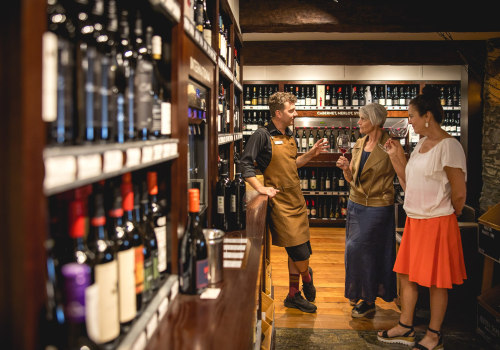
Don’t hesitate to ask questions about the wines, vineyard practices, or food pairings. Winery staff are usually passionate about their craft and appreciate when guests show genuine interest. However, be mindful of their time; if they are busy with other guests, wait patiently for your turn.
5.Sample Responsibly
Wine tasting is about savoring flavors, not consuming large quantities of alcohol. Take small sips and allow yourself to appreciate each wine’s unique characteristics.
If you find a wine you particularly enjoy, consider purchasing a bottle rather than overindulging during the tasting.
6.Respect Other Guests
- Keep conversations at a moderate volume so as not to disturb others.
- Avoid monopolizing the staff’s attention; share your time with fellow tasters.
- If you’re in a group, be mindful of how your behavior affects those around you.
7.Show Appreciation
If you enjoyed your experience, consider leaving a tip for the staff or expressing your gratitude verbally. A simple "thank you" can go a long way in acknowledging their efforts in making your visit memorable.By following these etiquette guidelines, you can ensure that your visit to the winery is not only enjoyable for yourself but also respectful towards others involved in this delightful experience.
Preparing for Your Winery Visit
Visiting a winery can be an enriching experience, but proper preparation is key to making the most of your trip. Here are some essential tips to ensure your winery visit is enjoyable and memorable.Making Reservations
Many wineries now require reservations due to limited capacity and health guidelines, especially in the wake of COVID-19. It’s advisable to check the winery’s website or call ahead to secure your spot. Some wineries offer exclusive tasting experiences that require advance booking, so don’t miss out on these opportunities.Additionally, inquire about any special events or themed tastings that may be happening during your visit.
What to Wear
Your choice of attire can significantly impact your winery experience. Opt for comfortable yet stylish clothing that suits the winery's atmosphere. If you plan to tour the vineyards, wear comfortable shoes suitable for walking on uneven terrain. Consider layering your outfit, as temperatures can vary throughout the day, especially if you’re visiting during the cooler months.A wide-brimmed hat and sunglasses are also recommended for sunny days.
What to Bring
When preparing for your winery visit, consider bringing the following items:- Water bottle: Staying hydrated is essential, especially if you’ll be tasting multiple wines.
- Sunscreen: Protect your skin if you’ll be spending time outdoors.
- Notebook or journal: Jot down your thoughts on each wine you taste; this will help you remember your favorites later.
- Camera: Capture the beautiful scenery and memorable moments with friends or family.
- Tasting glass: Some wineries allow you to bring your own glass for tastings, which can enhance your experience.
Navigating Wine Tastings: Techniques and Tips
Wine tasting is an art that requires practice and attention to detail. To truly appreciate the nuances of each wine, it’s essential to master a few key techniques: swirling, smelling, and tasting.Swirling the Wine
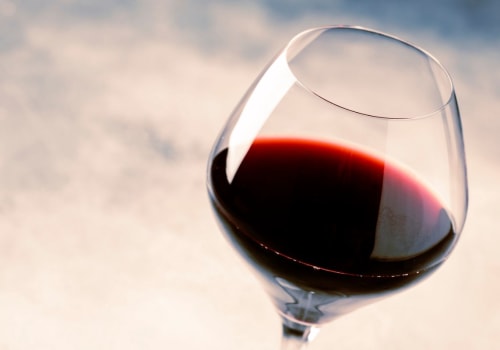
Swirling is not just a showy gesture; it serves a vital purpose in the tasting process. When you swirl wine in your glass, you introduce oxygen, which helps to release the wine's aromas.Here’s how to do it properly:
- Hold the base of the glass on a flat surface.
- Gently move your wrist in a circular motion to create a whirlpool effect.
- Observe how the wine clings to the sides of the glass, known as "legs" or "tears." This can give you clues about the wine's alcohol content and viscosity.
Smelling the Wine
After swirling, it’s time to engage your sense of smell. The aroma of wine can reveal much about its character and complexity. Follow these steps:- Bring the glass to your nose and take a gentle inhale.
- Try to identify different scents. Common notes include fruits, spices, herbs, and even earthy undertones.
- Don’t rush this step; take your time to fully appreciate the bouquet.
Tasting the Wine
The final step is tasting.This is where you can truly experience the flavors and textures of the wine:
- Take a small sip and let it roll around your mouth.
- Pay attention to the initial flavors, mid-palate sensations, and finish. Is it sweet, dry, fruity, or tannic?
- Consider how long the flavor lingers after swallowing; this is known as the "finish" and can indicate quality.
Common Mistakes to Avoid During Wine Tastings
Wine tasting can be an exhilarating experience, but it’s easy to fall into common traps that can detract from your enjoyment and understanding of the wines.Here are some common mistakes to avoid during your next visit to the winery.
- Not Preparing Ahead of Time: One of the biggest missteps is arriving at a winery without any prior research. Each winery has its unique offerings, and knowing what to expect can enhance your experience. Check their website for tasting menus, special events, or featured wines.
- Overindulging: While it might be tempting to sample every wine on the list, moderation is key. Tasting is about savoring and appreciating the nuances of each wine, not just consuming as much as possible.
Consider sharing tastings with friends to keep your palate fresh.
- Ignoring the Staff: The staff at wineries are often passionate and knowledgeable about their wines. Engaging with them can provide valuable insights and enhance your tasting experience. Don’t hesitate to ask questions about the wine’s origin, production methods, or food pairings.
- Neglecting Proper Tasting Techniques: Many novice tasters overlook the importance of proper tasting techniques. Always swirl your wine in the glass before taking a sip; this allows oxygen to interact with the wine, releasing its aromas.
Take a moment to smell the wine before tasting it, as this will prepare your palate for what’s to come.
- Being Closed-Minded: It’s easy to stick to familiar favorites, but wine tasting is about exploration. Be open to trying new varietals or blends that you might not typically choose. You may discover a new favorite that surprises you!
- Disregarding Personal Preferences: While it’s important to be open-minded, don’t feel pressured to like every wine you taste. Everyone has different preferences, and it’s perfectly acceptable to express your likes and dislikes respectfully.
- Forgetting About Food Pairings: Many wineries offer food pairings with their tastings.
Ignoring these can lead to a less enjoyable experience. Food can enhance the flavors of wine and vice versa, so take advantage of these pairings when available.
Wine Tasting Etiquette During COVID-19
The COVID-19 pandemic has significantly altered the landscape of wine tasting, introducing new guidelines and practices to ensure the safety of both guests and staff at the winery. As you prepare for your next tasting experience, it’s essential to be aware of these changes and to adopt a mindset that prioritizes health while still enjoying the rich flavors and aromas that wine has to offer.First and foremost, many wineries have implemented reservation systems to manage the number of guests on-site.This not only helps maintain social distancing but also allows for a more personalized experience. It is advisable to book your tasting in advance, as walk-ins may be limited or not permitted at all. When making a reservation, be sure to confirm any specific health protocols the winery has in place.Upon arrival at the winery, you may notice that staff members are wearing masks and possibly gloves. This is a standard precaution designed to protect both employees and visitors.
As a guest, it is courteous to wear a mask when entering indoor spaces or when social distancing cannot be maintained. Many wineries have designated outdoor tasting areas, which can provide a more comfortable environment for enjoying your wine while adhering to safety measures.Another important aspect of wine tasting during these times is hand hygiene. Wineries are likely to provide hand sanitizers at various points throughout the facility. Make it a habit to sanitize your hands before and after handling wine glasses or any shared items.
Additionally, refrain from touching your face during the tasting, as this can help minimize the risk of transmission.When it comes to tasting itself, wineries may limit the number of wines offered in a single session. This is not only to streamline the experience but also to reduce the amount of contact with glassware and tasting notes. Be open to trying fewer wines; this can enhance your appreciation for each selection and allow for deeper engagement with the staff about each wine’s characteristics.Lastly, remember that while enjoying your time at the winery, it’s crucial to respect the space and comfort levels of other guests. Maintain a respectful distance from others, avoid large gatherings, and follow any additional guidelines provided by the winery staff.
By doing so, you contribute to a safe environment where everyone can enjoy the art of wine tasting.
Exploring Different Types of Wineries
When it comes to wine tasting, the type of winery you choose can significantly influence your experience. Each winery offers a unique atmosphere, selection of wines, and opportunities for engagement. Understanding the different types of wineries can help you select the one that best aligns with your preferences.Boutique Wineries
Boutique wineries are typically smaller operations that focus on quality over quantity. These establishments often produce limited batches of wine, allowing for a more personalized tasting experience.
Visitors to boutique wineries can expect:
- Intimate Settings: With fewer guests, tastings are often more relaxed and interactive.
- Direct Interaction: Many boutique wineries are family-owned, providing an opportunity to meet the winemakers and learn about their craft directly.
- Unique Varietals: These wineries often experiment with lesser-known grape varieties or innovative winemaking techniques, offering something distinct from mass-produced wines.
Large Wineries
In contrast, large wineries tend to produce wine on a much larger scale. They often have extensive facilities and a wide range of offerings. Here’s what you might find at a large winery:
- Diverse Selection: Large wineries usually have a broader portfolio of wines, including popular varietals and blends.
- Comprehensive Tours: Many large wineries offer guided tours that delve into the winemaking process, from vineyard to bottle.
- Amenities: Larger establishments may feature restaurants, gift shops, and event spaces, enhancing the overall visitor experience.
Vineyard Experiences
No matter the size of the winery, many offer vineyard experiences that allow guests to immerse themselves in the winemaking process. These experiences can include:
- Grape Picking: Some wineries invite visitors to participate in harvest activities during the grape-picking season.
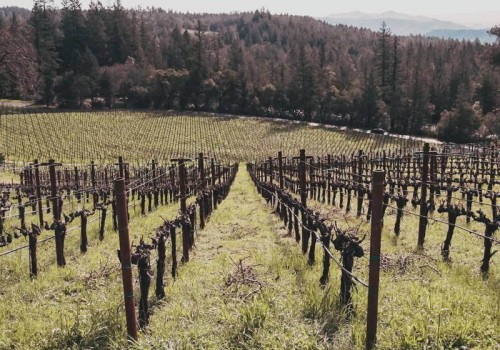
- Tastings in the Vines: Enjoying wine tastings amidst the vineyards can create a picturesque backdrop and enhance your appreciation of the wine.
- Workshops and Classes: Many wineries offer educational sessions on topics like food pairing or blending your own wine, providing a hands-on approach to learning about wine.
Each visit is an opportunity to discover new flavors and deepen your understanding of this beloved beverage.
Enhancing Your Wine Knowledge: Resources and Recommendations
For those looking to deepen their understanding of wine beyond the tasting experience, a wealth of resources is available. Whether you prefer reading, watching, or interactive learning, there are numerous avenues to explore.Books About Wine
Books remain one of the most effective ways to gain in-depth knowledge about wine. Here are some highly recommended titles:- The Wine Bible by Karen MacNeil: This comprehensive guide covers everything from grape varieties to wine regions and tasting techniques.
- Wine Folly: The Essential Guide to Wine by Madeline Puckette and Justin Hammack: A visually engaging book that simplifies complex wine concepts and offers practical tips.
- Understanding Wine Technology by Andrew L. Waterhouse: This book delves into the science behind winemaking, making it perfect for those interested in the technical aspects.
- The World Atlas of Wine by Hugh Johnson and Jancis Robinson: A beautifully illustrated reference that provides insights into wine regions around the globe.
Online Wine Courses
If you prefer a more structured approach to learning, consider enrolling in online wine courses.These courses often include video lectures, quizzes, and interactive components:
- Wine & Spirit Education Trust (WSET) : Offers a range of qualifications from beginner to advanced levels, focusing on both theory and practical tasting skills.
- Coursera : Features courses from renowned universities that cover various aspects of wine, including its history, production methods, and tasting techniques.
- MasterClass : Offers classes taught by industry experts, such as James Suckling and Jancis Robinson, providing unique insights into the world of wine.
Conclusion: Embracing the Art of Wine Tasting Responsibly
As we conclude our exploration of the art of wine tasting, it is essential to reflect on the key principles that enhance this delightful experience. Wine tasting is not merely about sampling different varieties; it is a journey that engages the senses and fosters a deeper appreciation for the craft of winemaking. By adhering to proper etiquette and embracing responsible practices, you can elevate your wine tasting adventures.First and foremost, understanding the significance of etiquette cannot be overstated.Arriving at a winery with an open mind and a willingness to learn will enrich your experience. Remember to respect the winery's guidelines, including any reservation requirements and capacity limits, especially in light of ongoing health concerns. This respect not only ensures your safety but also contributes to a more enjoyable atmosphere for all guests.Moreover, engaging with the staff at the winery can significantly enhance your tasting experience. Don’t hesitate to ask questions about the wines you are sampling; knowledgeable staff members are often eager to share their insights and stories behind each bottle.
This interaction can lead to discovering new favorites and understanding the nuances of different varietals.In addition, practicing mindfulness during your tasting is crucial. Take the time to savor each sip, allowing yourself to fully appreciate the aromas, flavors, and textures of the wine. Swirling your glass, observing its color, and inhaling its bouquet are all part of this sensory journey that should not be rushed.Finally, as we navigate through these times of COVID-19, it is vital to prioritize safety without compromising the joy of wine tasting. Adhering to health protocols such as wearing masks when necessary and maintaining social distance will help ensure that everyone can enjoy this cherished pastime responsibly.In summary, embracing the art of wine tasting involves a blend of respect for tradition, appreciation for craftsmanship, and a commitment to safety.
By following these guidelines, you not only enhance your own experience but also contribute positively to the culture of wine appreciation. So next time you visit the winery, remember that every sip is an opportunity to connect with the rich history and artistry behind each bottle.